










Slow Cooker Taco Chili
In the realm of pantry staples, few ingredients are as versatile and reliable as dried beans. These unassuming kidney and black beans are like culinary chameleons, adapting effortlessly to an array of recipes. Yet, it's not just their adaptability that makes them kitchen heroes; it's the depth of flavor, nutrition, and texture they bring to the table. Today, we're about to embark on a flavorful fiesta where dried beans take center stage in a beloved classic: slow cooker taco soup.
Picture this: a savory, aromatic broth brimming with the rich, earthy essence of dried beans, mingling harmoniously with the unmistakable zest of taco seasoning. As this enticing symphony unfolds, you'll be treated to tender bites of beans that have soaked up all the savory goodness, creating a wholesome and satisfying bowl of soup.

In this blog post, we're diving deep into the world of dried beans and their transformative powers, as we explore the art of crafting a remarkable slow cooker taco soup. From the subtle nuttiness of kidney beans to the creamy comfort of black beans, we'll guide you through the process of harnessing these little legumes to elevate your taco soup game.
Beyond the sheer deliciousness, there's something profoundly comforting about knowing you can create a wholesome, budget-friendly meal from the contents of your pantry. So, grab your apron and get ready to embark on a culinary journey that celebrates the humble dried bean in all its glory. Let's turn your kitchen into a fiesta, one bowl of taco soup at a time.

Crock Pot Taco Soup
Palouse Brand
12
10 minutes
8 hours
Mexican
Soup
Indulge in the rich, satisfying flavors of slow cooker taco soup, where humble dried beans take center stage. In this recipe, a harmonious blend of kidney beans and black beans soaks up the savory essence of taco seasoning, creating a wholesome and budget-friendly meal that's both nutritious and delicious. Let your slow cooker work its magic as you savor the hearty goodness of this classic dish, perfect for a cozy family dinner or a gathering of friends. Get ready to elevate your taco soup experience with the robust and comforting embrace of dried beans.

Ingredients
- 2 lbs ground beef, thawed
- 1 yellow onion, diced
- 1 tsp garlic, minced
- 1 8 oz can of diced green chilies
- 2 14.5 oz cans diced tomatoes
- 2 tsp paprika
- 2 tsp cumin
- 2 tsp oregano
- 2 qts. chicken broth
- 1 ½ cups kidney beans, dried
- 1 ½ cups black beans, dried
- 1 15 oz can of corn
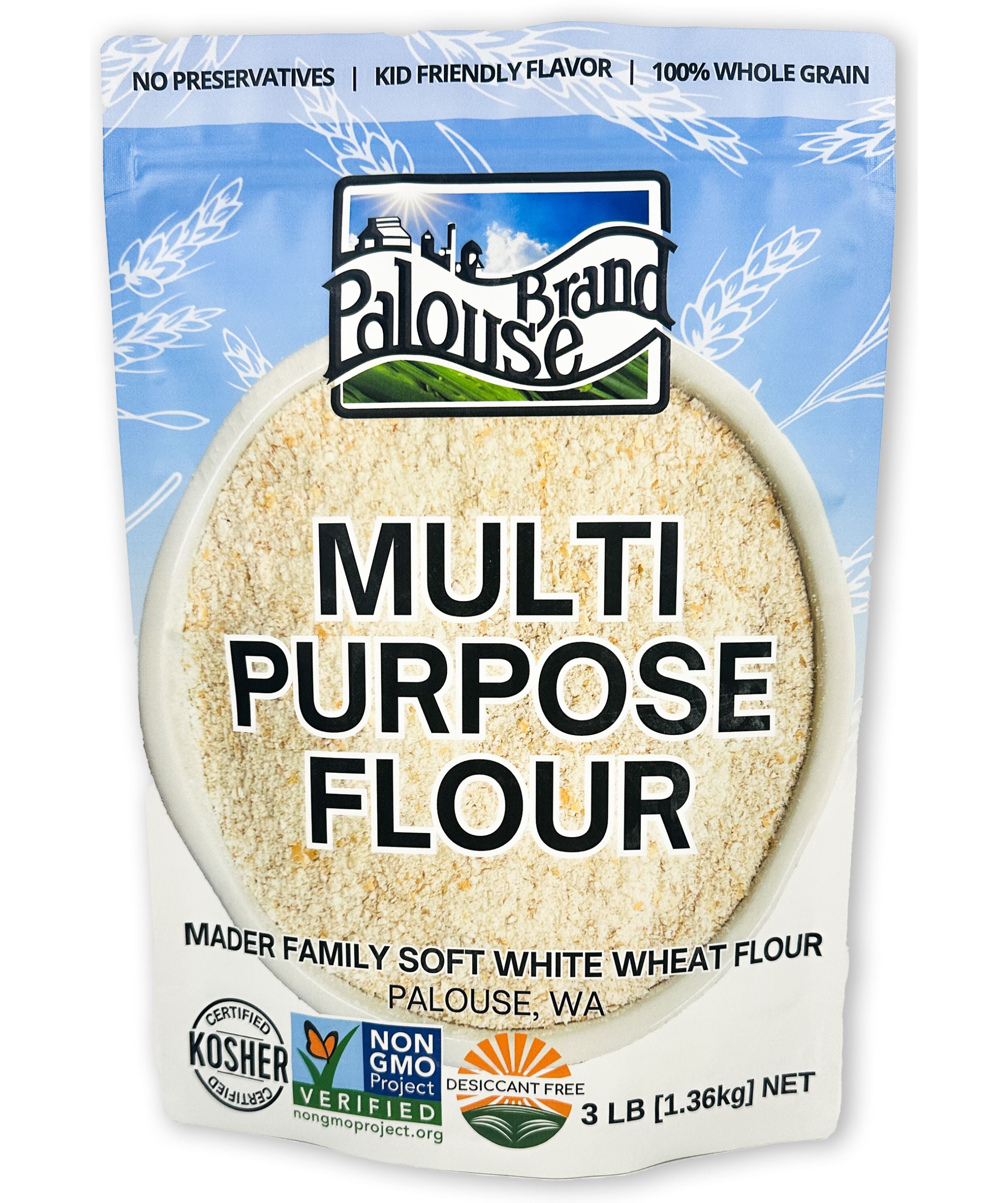
- ¼ c all purpose flour
- salt to taste
- Sour cream, cheese, avocado, cilantro and chips for garnish
Directions
Place ground beef in crockpot, mash into a single layer covering bottom of pot. Turn crock pot to high and let cook for one hour. Drain fat.
Stir in ¼ cup of flour.
Add remaining ingredients turn crock pot to low and add remaining ingredients let cook for 8 hours.
*If you don’t drain the fat from the ground beef after step one, remove the fat from the broth using a stale piece of bread.
Read more

As the school season kicks off, it's time to embrace both the excitement and the need for quick and satisfying meals. Whether you're a student, a parent, or just someone looking for easy and delici...

Are you ready to embrace the flavors of fall in a healthier way? Look no further than this mouthwatering Whole Wheat Apple Cider Donut Cake! It's the perfect treat for those crisp autumn days when ...



7 comments
It’s worth experimenting with soaking legumes. I used to do the hot soak: cover beans with water, bring to a boil, shut off and let soak for an hour. Pour off the liquid and you have less likelihood of gas problems. This method was recommended by celebrity chef Narsai David and it does have the advantage of a quick and low-fuss preparation.
But I think that legumes taste better with a 12-hour (at least) soak, with plenty of room-temp water and room to expand to their full size. I find them to be sweeter and have a fresher taste because basically, they’re alive and on their way to sprouting. Just remember to discard that soaking water and rinse the legumes, pick over for broken bits. I’ve never found any mud or rocks in my Palouse legumes, which I have found in peas and beans from the store.
Long ago I tried doing beans in a slow cooker without pre-soaking, and I had to throw a whole pot of chili out after hours and hours. I don’t know if those were old beans or if salt in the recipe caused problems, but I would not recommend that approach. I don’t even like to do it in the pressure cooker.
We’ve been SO happy with the results from Palouse products, especially the hummus I make from your chickpeas! I look forward to trying this chili, it looks fabulous.
Alana
Since I don’t have a slow cooker, I will a) soak the beans overnight, or quick-soak them by bringing them to a boil, turning off the heat and letting them soak for an hour, b) drain the soaking liquid, c) proceed with recipe, letting the chili cook for 3-4 hours. However, I will omit the corn, as we don’t particularly like corn in chili, and I will use water instead of chicken broth, because the delicate flavor of chicken broth will be lost in the richness of all the seasonings. Thanks for the idea of mixing black beans with pinto beans, as I usually use either pinto or kidney beans, not mixed, for chili. I LOVE all your legumes!
Ann Williams
I made this soup a couple weeks ago, and it was soooo good! Well done, you guys!
Cynthia Corbin
Soaking beans is not required for this recipe.
Palouse Brand
This soup sounds delicious to me, with the exception that my family is vegan. No meat, dairy products and needs more veggies! Your beans, though are such a blessing to our family!
Robin Timmons
This sounds Yum! I will try it. Do you recommend soaking the beans overnight for this recipe? Thanks!
pam
Do the beans need to be soaked first?
DGP
Leave a comment
All comments are moderated before being published.
This site is protected by hCaptcha and the hCaptcha Privacy Policy and Terms of Service apply.