


July Farm News, 2026
If you walk out into the fields right now and take a deep breath, you can practically smell it: harvest is on the horizon. For anyone who makes a living from the dirt, this time of year is always a cocktail of intense anticipation, mild sleep deprivation, and a long list of last-minute chores. But this year the anticipation has us dancing on our toes.
The calm before the combine
Here on the Palouse, the Mader family has been farming these rolling hills for six generations. They’ve seen dry years, wet years, and everything in between. But Kevin Mader (fifth gen) says about this year, “Across the board the whole area looks perfect. In all my years of farming, I honestly don’t know how the crops could look any more perfect.”
Every season brings its own excitement and every year we say that this harvest is the most important one yet; but a “perfect” crop creates a very specific kind of anxiety that doesn’t abate until the combines are parked and the last trailer has safely transferred its precious cargo to the custody of a storage bin. Here is a look at what’s happening across our acres as we count down the days until the headers start spinning.

The good, the green, and the (only slightly!) weedy
Let’s talk crops. The spring wheat looks absolutely fantastic, promising the kind of high-quality grain our Palouse Brand family has come to expect. The winter wheat was a little slow to turn initially because of some stubborn cool temperatures earlier in the year, but it is finishing beautifully.
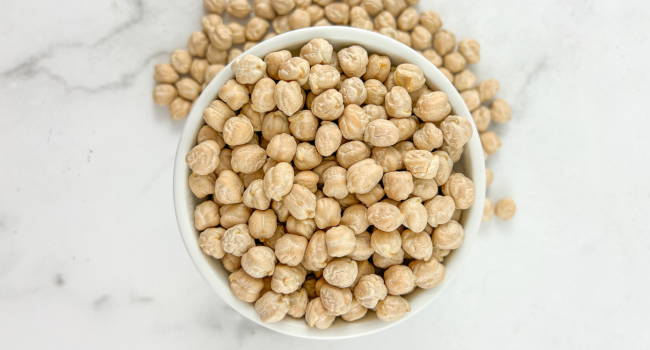
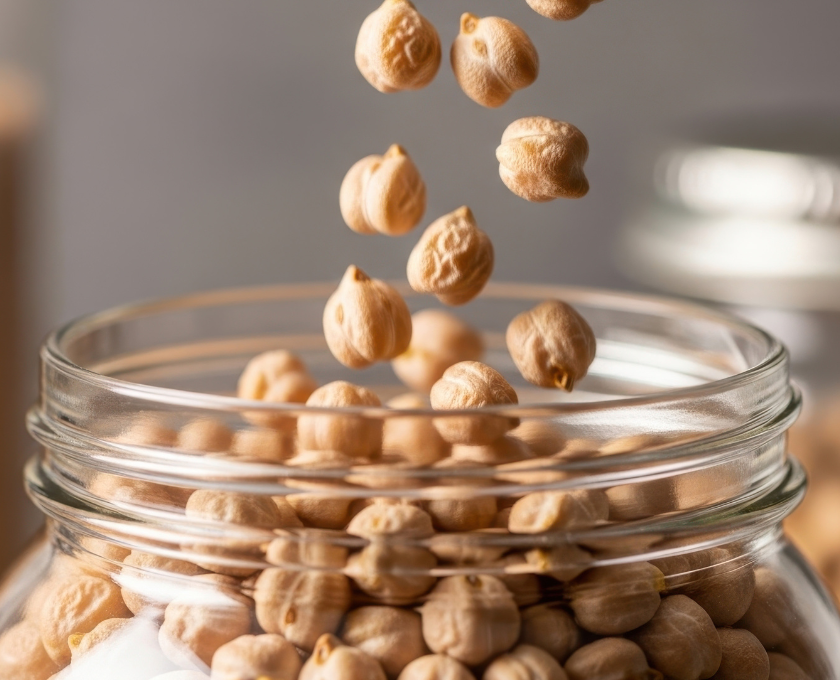
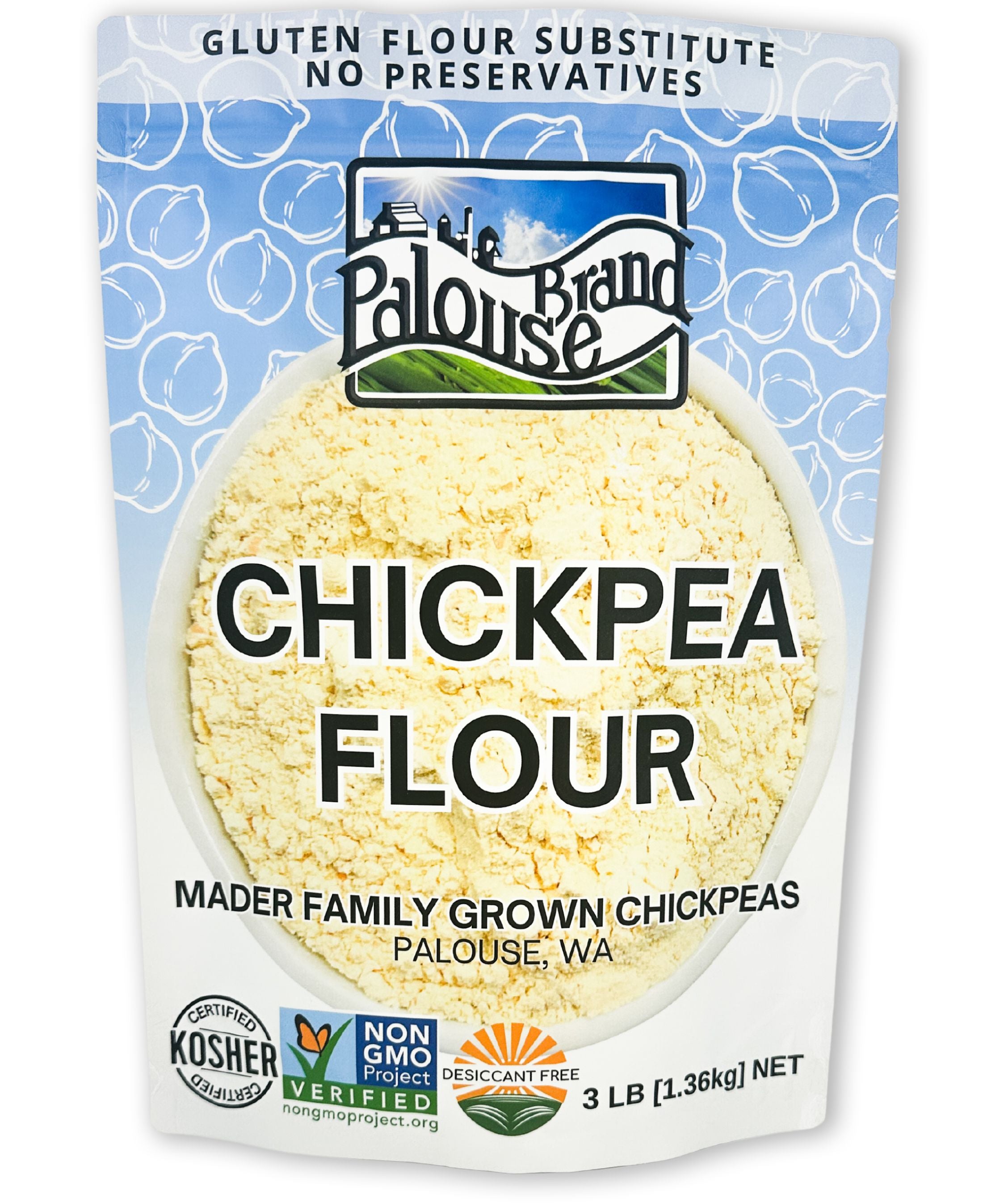
The garbanzo beans are also a major bright spot. If you’ve ever opened a bag of our chickpeas you know we pride ourselves on uniform, premium quality. This year's field stands are incredibly even and clean, blooming nicely, and are sitting on top of a ton of subsoil moisture. The weather has been tailor-made for them, Kevin says. “To be completely honest, I’m just tickled with their progress.”
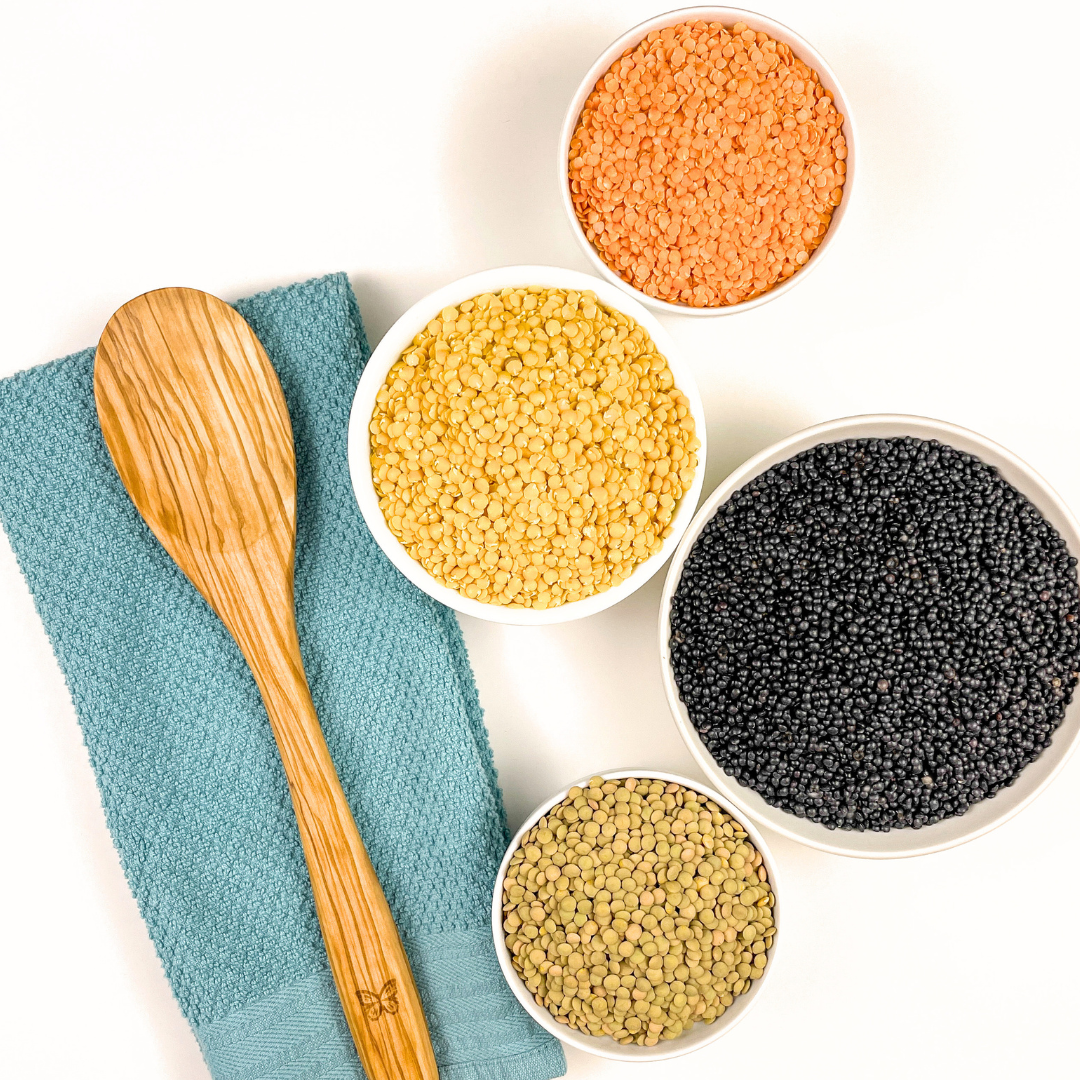
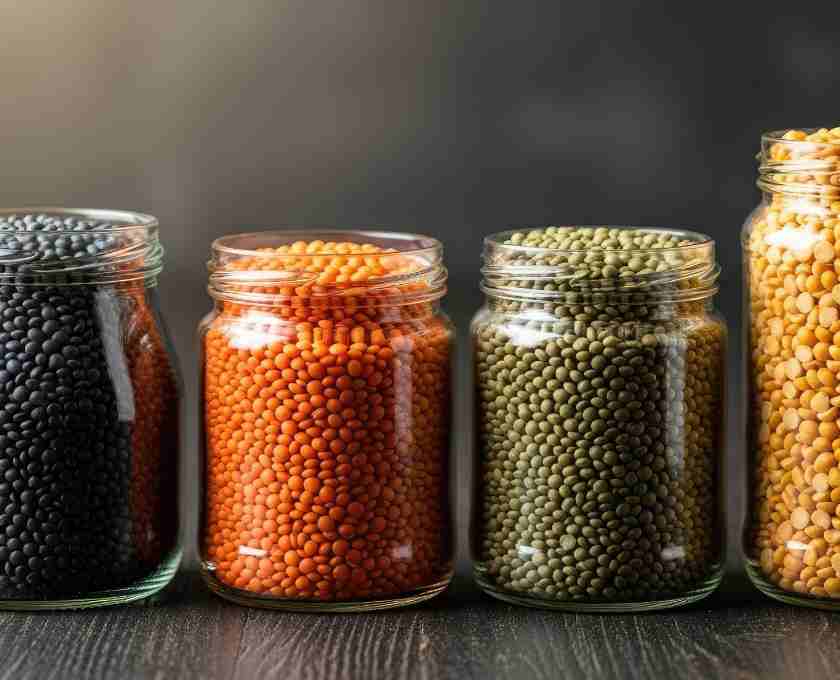
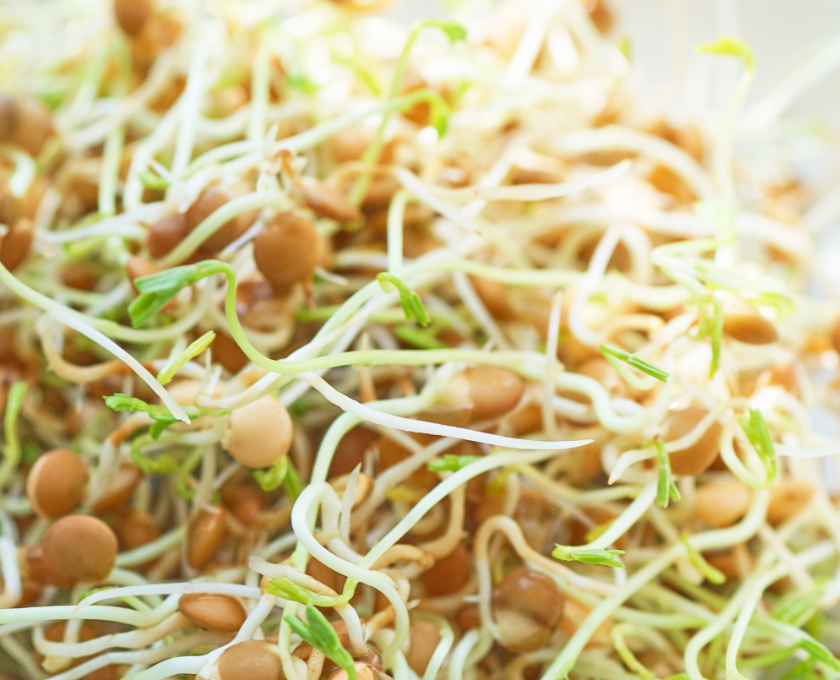
Moving over to the legumes, our brown lentils are blooming like crazy and should start setting pods within the week. In some places those fields are looking perhaps a little too green, as the downside to all the wonderful rain we've had is that the weeds are looking really good, too 😅.
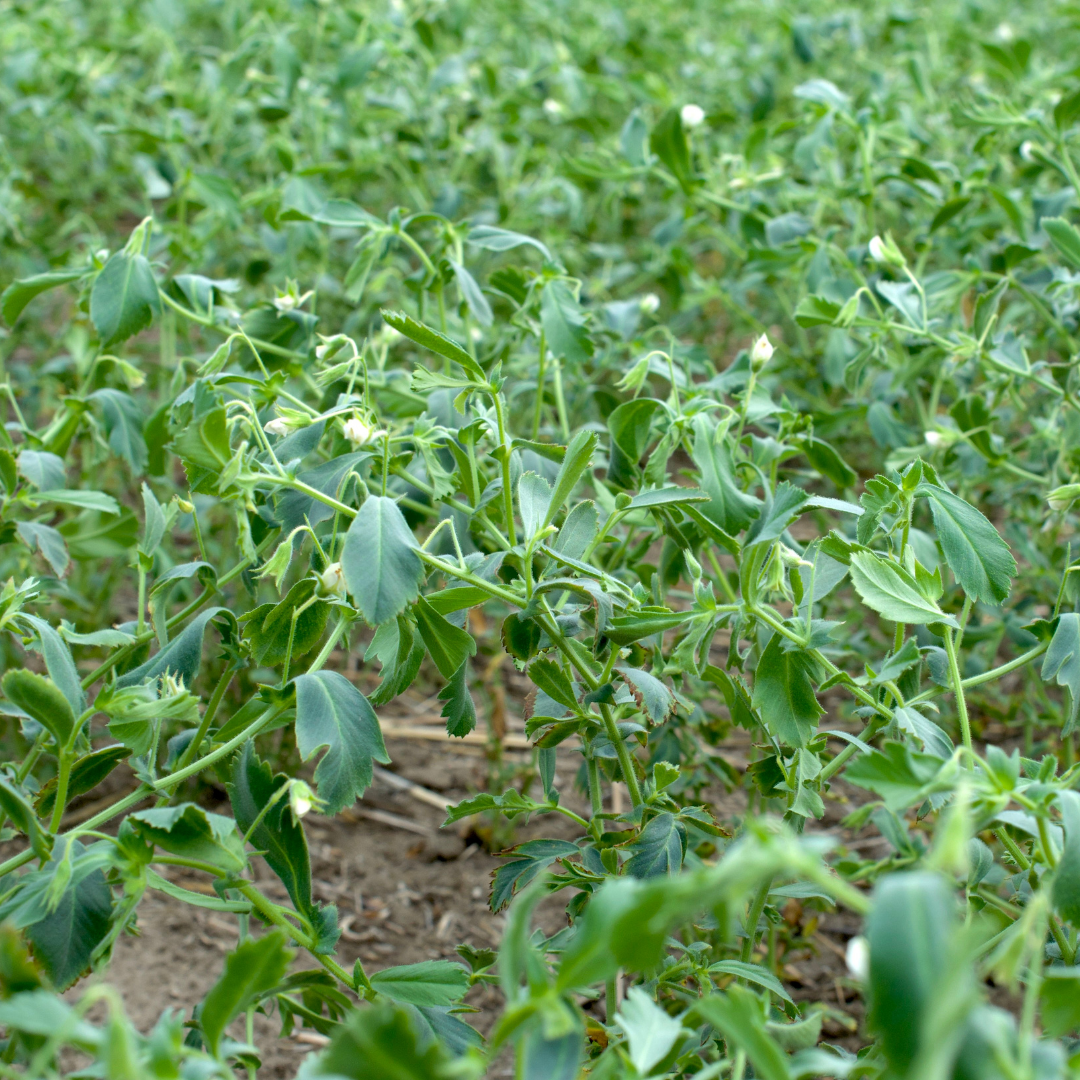
The only real stress point this year has been the peas. We got hit with some incredibly hard rain right after they were put in the ground and hadn’t yet started to emerge. When the soil gets waterlogged, the ground solidifies and hardens as it drains. This requires more energy from the plant as it develops roots and begins to push to the surface.

Weathering the "miracle" season in Eastern Washington
To understand why this crop looks so incredible, you have to look at the water tracker. We are currently sitting just shy of 26 inches of precipitation for the crop year, when normally, we expect around 20 to 22 inches by this time. Not only did we get more moisture, but the timing was immaculate—we got it consistently right when we needed it, even if it was a little excessive at times.
The weather has continued to play nice. May and June were on the cooler side, and right now, temperatures are hovering in the mid-80s. That is absolute perfection for finishing wheat because it means the plants aren't stressed out at all as they mature.
However, a seasoned farmer always finds something to worry about—it’s practically in their DNA. Because of all the available moisture right at planting time, the plants can grow up a bit lazy: as roots start developing they don’t have to search very hard for water, and therefore don’t grow as deeply as we like to see. This shallow structure can make the plant more vulnerable if a sudden heatwave hits, because the roots aren’t already down in the water table.
We were also deeply concerned about stripe rust because of the mild winter, since we usually count on harsher conditions to knock down most of this incredibly destructive fungus. In the spring, the surviving spores are carried by the wind, spreading the distinctive destruction hundreds of miles with rapidity. A severe infection can kill entire fields within days, a phenomenon sometimes called yellow death. It has wreaked havoc on several varieties in the Pacific Northwest this year.
But a miracle happened: the disease resistance in the specific varieties we planted held the line. We didn't have to run a single treatment across our fields, which is a massive win for sustainable farming and a huge relief given the intense regional pressure this year.
 Photo: South Dakota State University Extension
The pre-harvest mad dash
Six weeks ago, we thought we’d be running combines by the second week of July. The cool May and June weather pushed things back from that estimate, and now we’re tracking to start in about two or three weeks—maybe just a hair later than normal.
That means right now is all about prep. We’re licensing trucks, sorting out final equipment changes, and getting our crew trained up for the marathon that runs through the end of November.
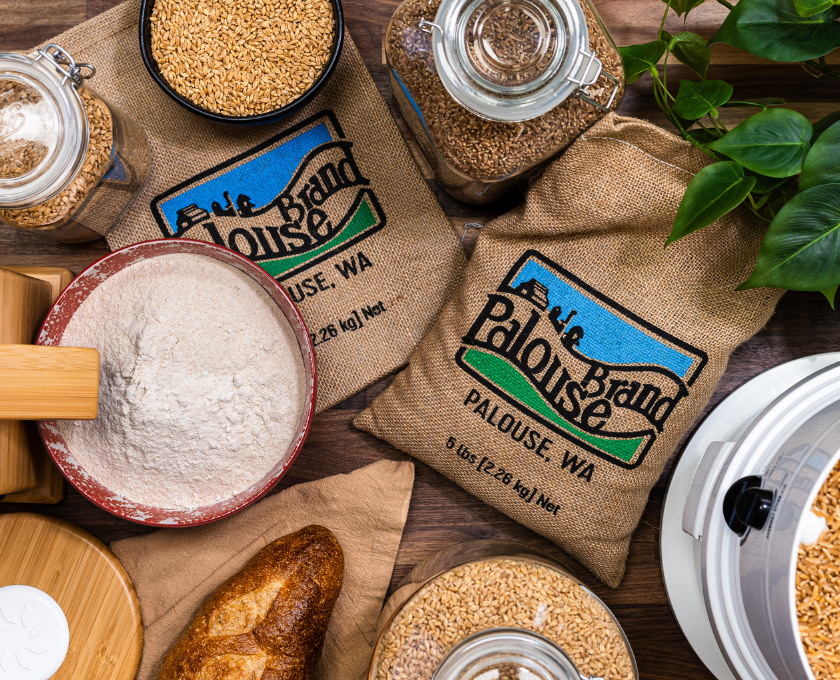
We’re preparing the grain bins where our identity-preserved, field-traceable grains will wait before packaging. Cleaning bins is a slog of a job. You start out with the noble intention of sweeping each one out until it’s spotless; but by the end of the third or fourth bin you’re thinking maybe an office job wouldn’t be so bad. To help with the heavy lifting, we have a gigantic grain vac that is so impressive it has to be seen to be believed—let’s just say that this machine can sweep, vacuum, and maybe make someone a morning espresso.

Boots on the tailgate
I asked Kevin if he has any traditions or routines leading up to harvest, like getting a new lunchbox or breaking out the fresh sunglasses (“Ooh yeah, love a new pair of sunglasses!”). He says not really, but he is looking forward to getting back into the pair of work boots he just had resoled. He’s got a few sets in the rotation, the oldest of which dates back to 2001 and has been rebuilt three or four times. His favorites are “whichever ones I have on”. When you spend 15 hours a day climbing in and out of equipment and tromping over these hills, comfort trumps fashion every time.
All the guys are looking forward to the spectacular lunches from our office manager, Laurel. They say when you're out in the dust all day, seeing that truck drive up with hot, homemade food is the undisputed highlight. Everyone hopes they’re the first stop, and the radio chatter is constant as the day’s prize is unveiled and exclaimed over.
Kevin says that back when he was growing up, they used to always shut down for a midday break. These days, they have lunch on the go to keep the combines moving, but completely stop for a breather in the evening to get out of the cab and stretch their legs. It’s a nice shift, and the physical break in the evening reminds them they just have one last push to get through before going home for the night.
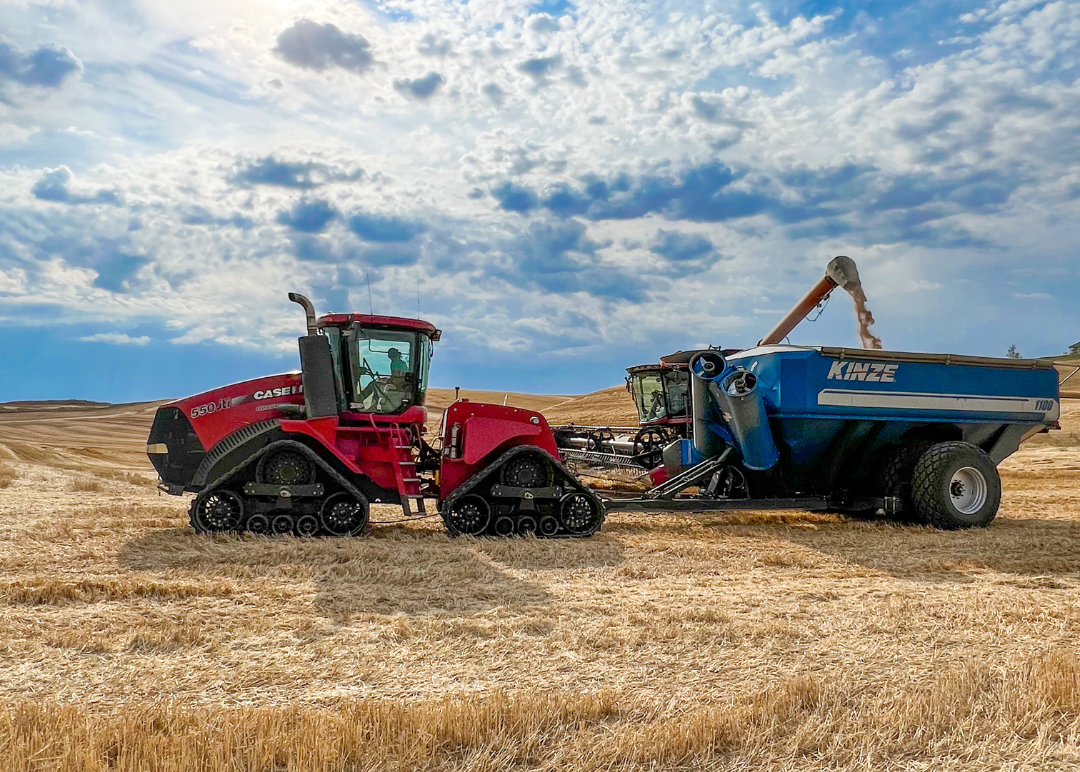
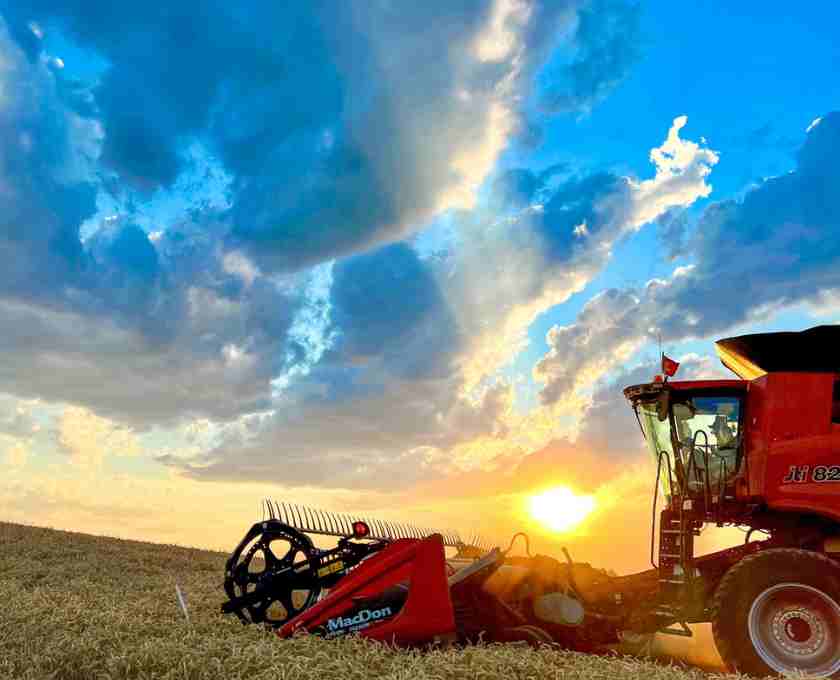
There is nothing quite like sitting on the tailgate, eating good food with a tired crew, and watching the sun go down over six generations of family history. Our legendary Palouse sunsets make it all the sweeter.
Cheers, friends! See you in the next one.

Read more
Like clockwork, the Great Spring Awakening has once again taken our local ag industry by storm. The farmers and their suppliers are looking around at their equipment and fields with hands on their ...
If you’ve lived around the Palouse for even a single summer, you know the signs. The emerald rolling hills of June slowly cure into a bright amber by late July. The air dries out, the sky opens wid...



Leave a comment
All comments are moderated before being published.
This site is protected by hCaptcha and the hCaptcha Privacy Policy and Terms of Service apply.