

April Farm News, 2026
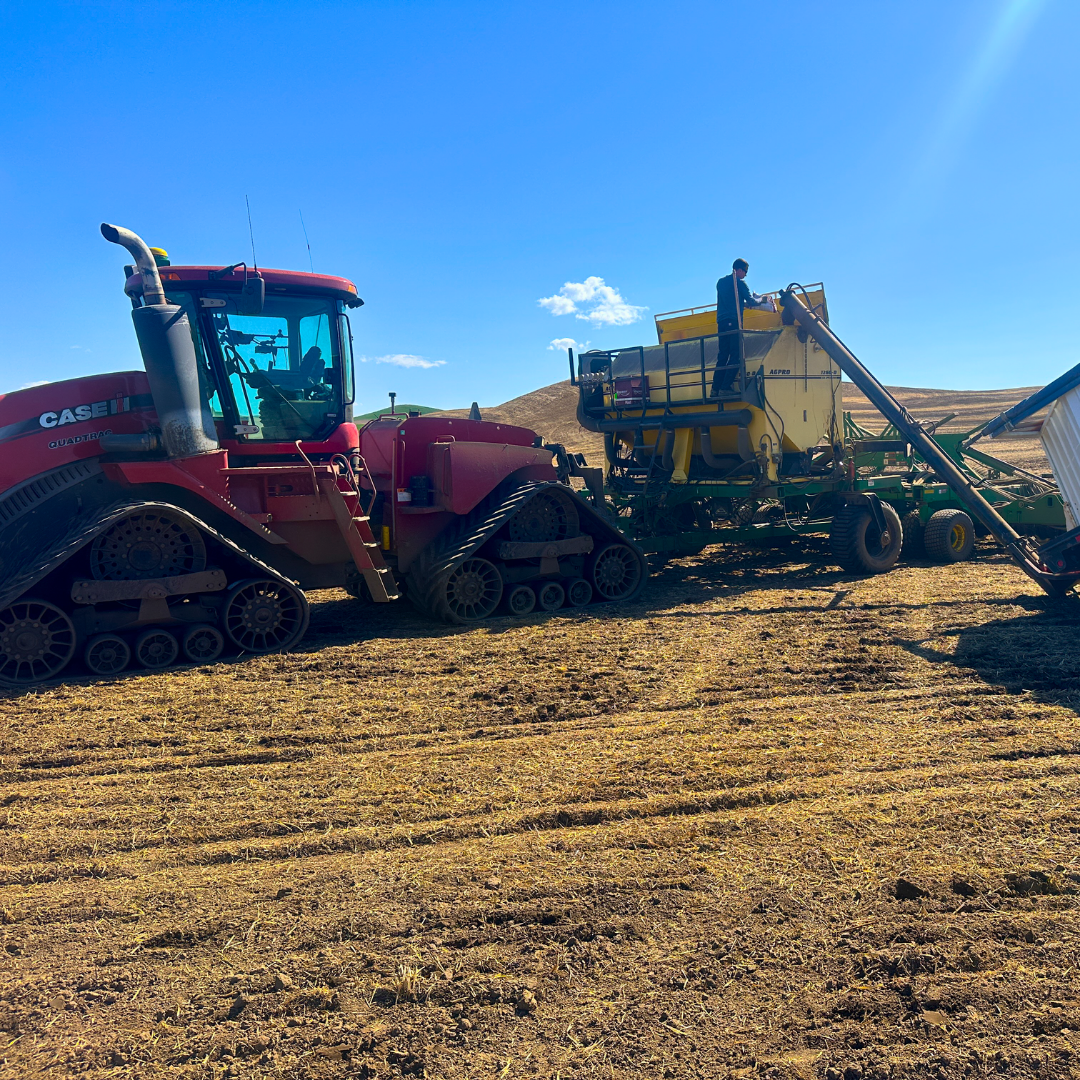
Like clockwork, the Great Spring Awakening has once again taken our local ag industry by storm. The farmers and their suppliers are looking around at their equipment and fields with hands on their hips, minds racing and phone calls flying. Everyone is hoping and praying that this will be the best year yet.
The winter wheat made it through the (admittedly quite mild) winter and we are nearly out of the woods in terms of frost danger. Spring wheat, lentils, peas, and garbanzo beans are front of mind and time is a-tickin'!
Finger on the pulse(s)
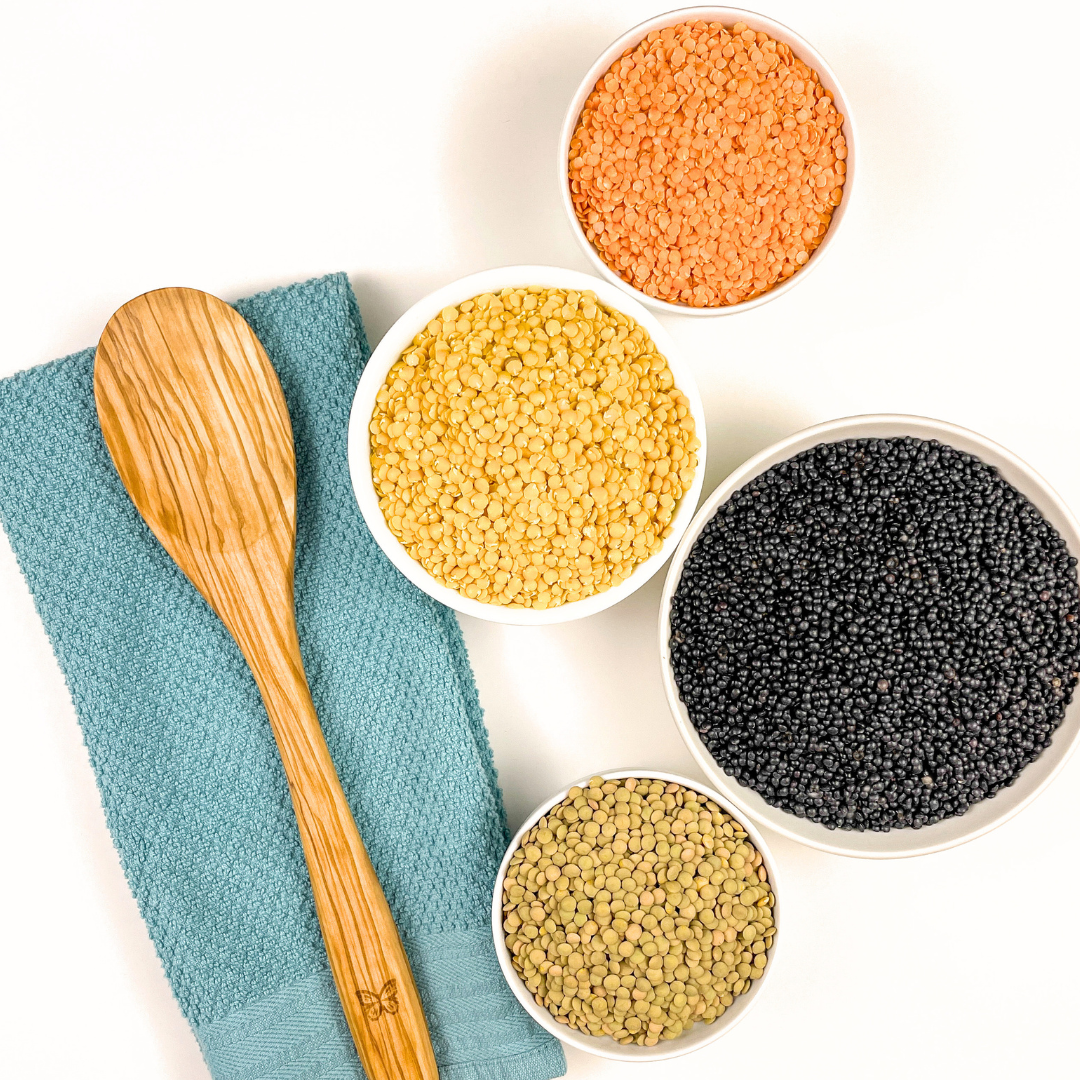
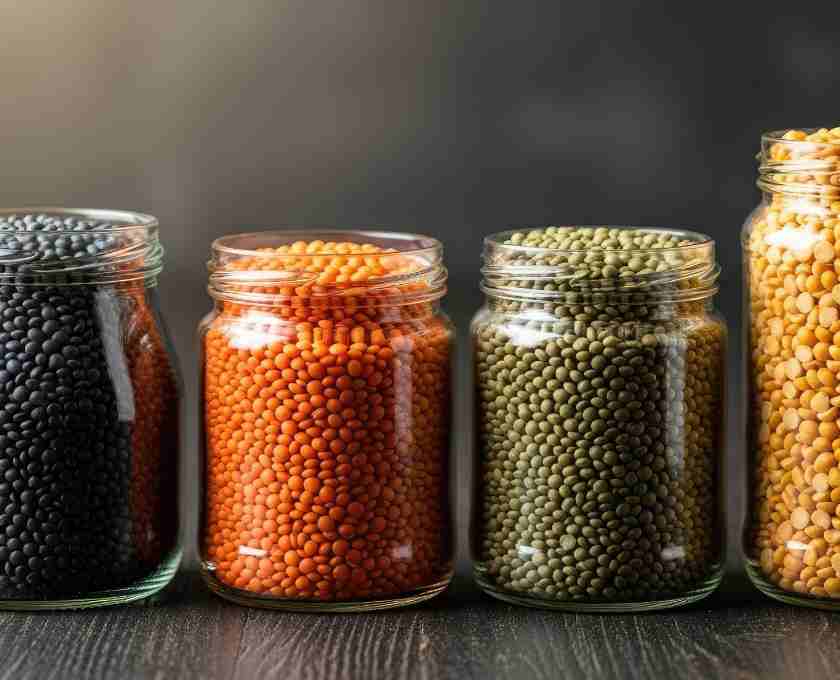
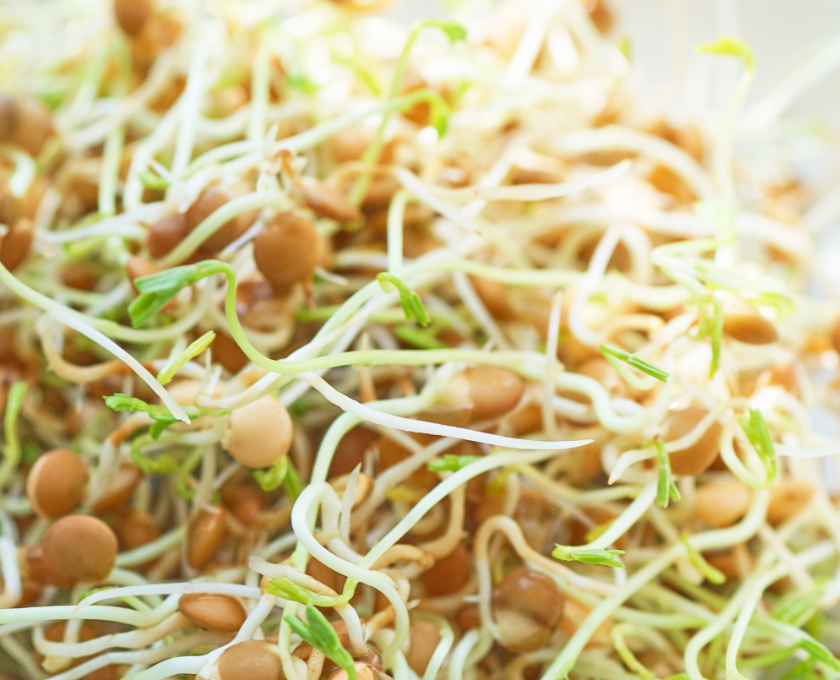
This region of eastern Washington and northern Idaho is world-renowned for pulse crops. In early April we were laser focused on the focus is on getting lentils and dry peas into the ground. These crops are the early birds of the spring season because they thrive in cooler soil temperatures, and the big priority is giving them enough time to establish and flower before the intense heat of July hits.
Something we're relieved and excited about is that the current soil moisture levels are excellent. This moisture is vital for our dryland crops, which rely on the deep reserves in the water table to carry them through the dry summer months.

Spring wheat and garbanzos
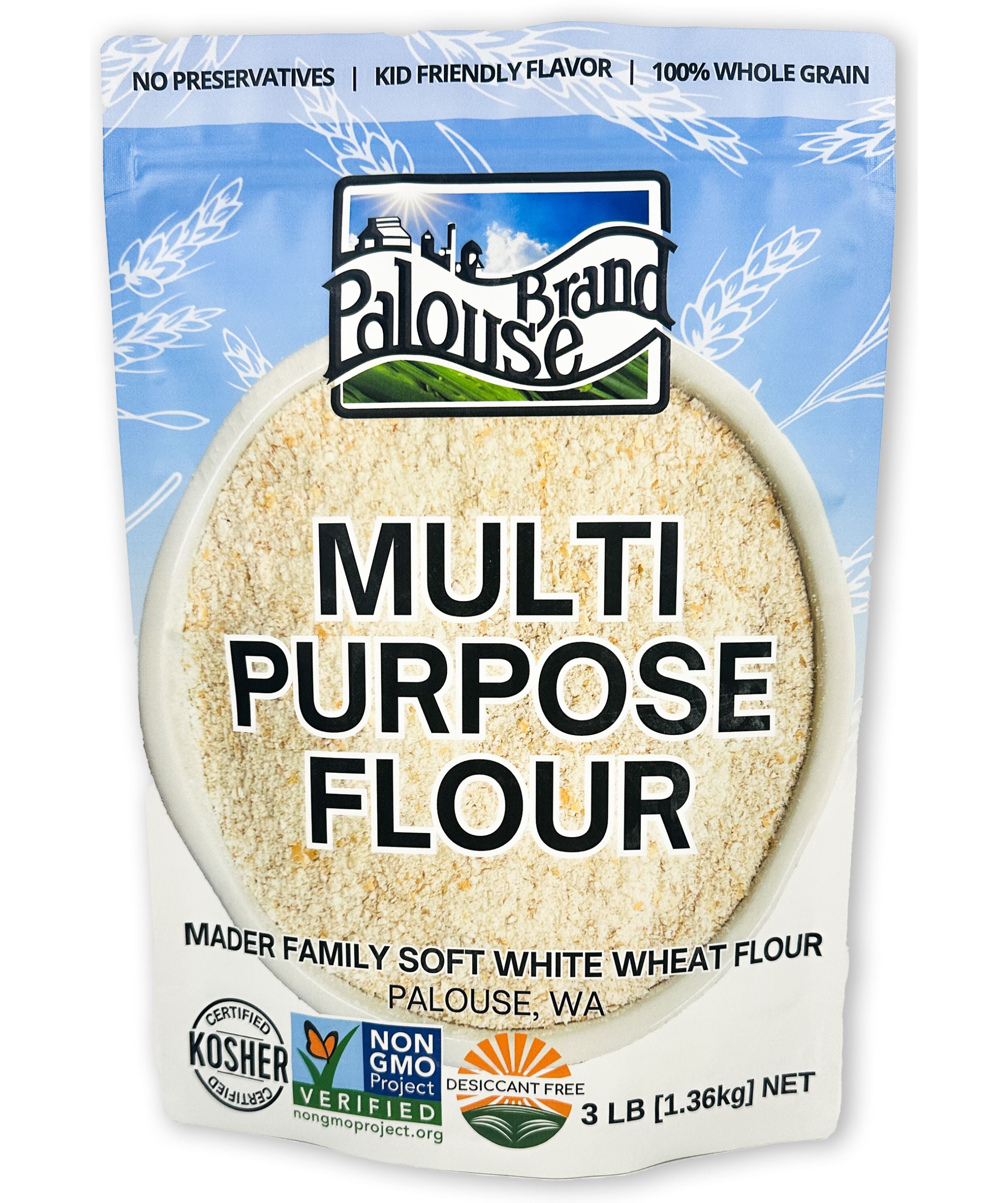
While winter wheat is the king of the hills around here, spring wheat acts as the crucial backup. It’s been seeded in areas where the winter effort may have suffered from "winterkill" or where rotation schedules demand it.
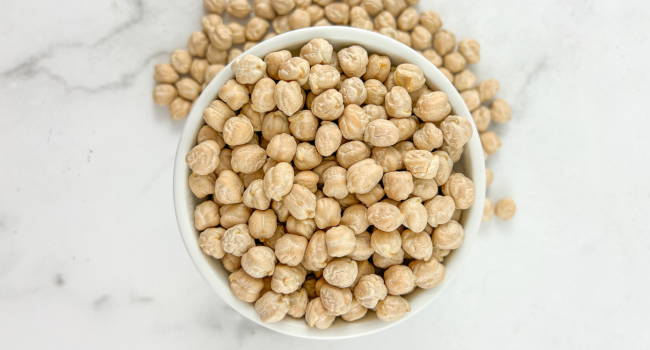
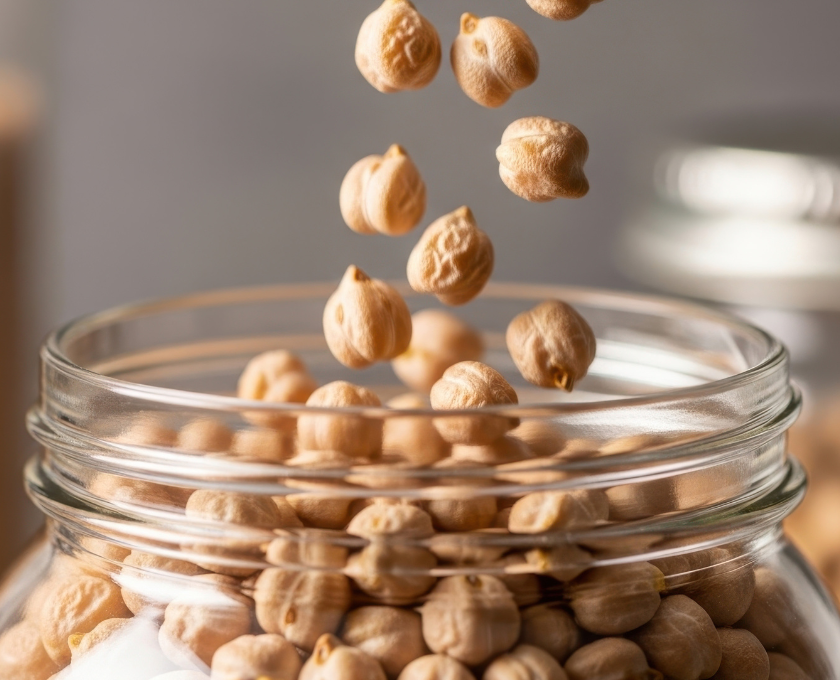
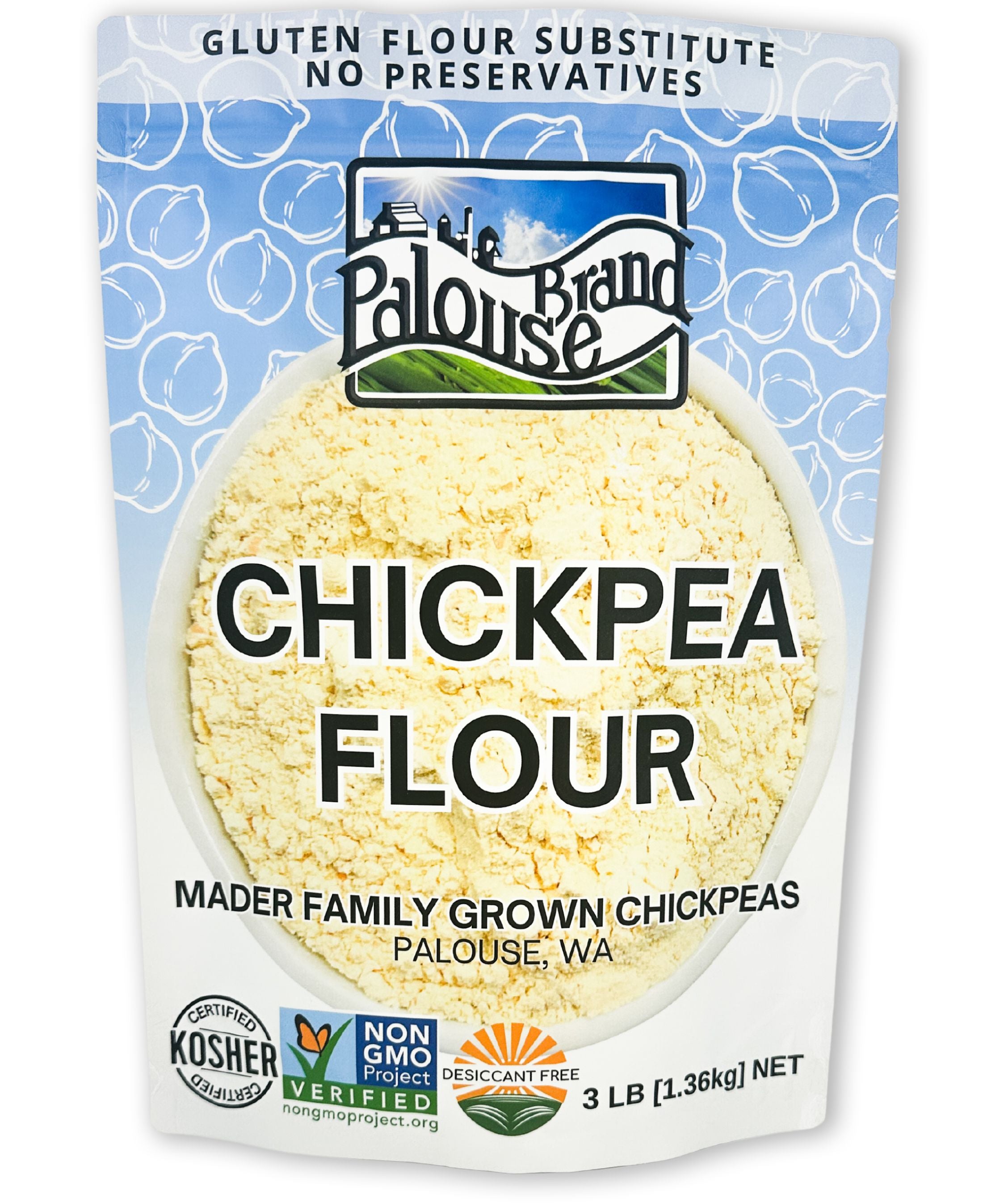
The real star of the late-spring window, however, is garbanzo beans, also known as chickpeas. Garbanzos are a favorite in local crop rotations because they are deep-rooted and hardy, making them a perfect match for the unique topography. Garbs are a fair-weather friend and definitely prefers slightly warmer soil. We had planned to get garbs into the ground by now, but some heavy rain in the last couple of weeks waylaid our plans. Once the ground dries out a bit more, though, it'll be full speed ahead on planting our last crop of the season.

Crop rotation
You might wonder why farmers bother with four different crops instead of just sticking to wheat. It’s all about soil health. Peas, lentils, and garbanzos are nitrogen-fixers. They naturally pull nitrogen from the atmosphere and deposit it back into the soil. This reduces the need for additional fertilizers when wheat is planted in that same field the following year.

Next harvest is in the works
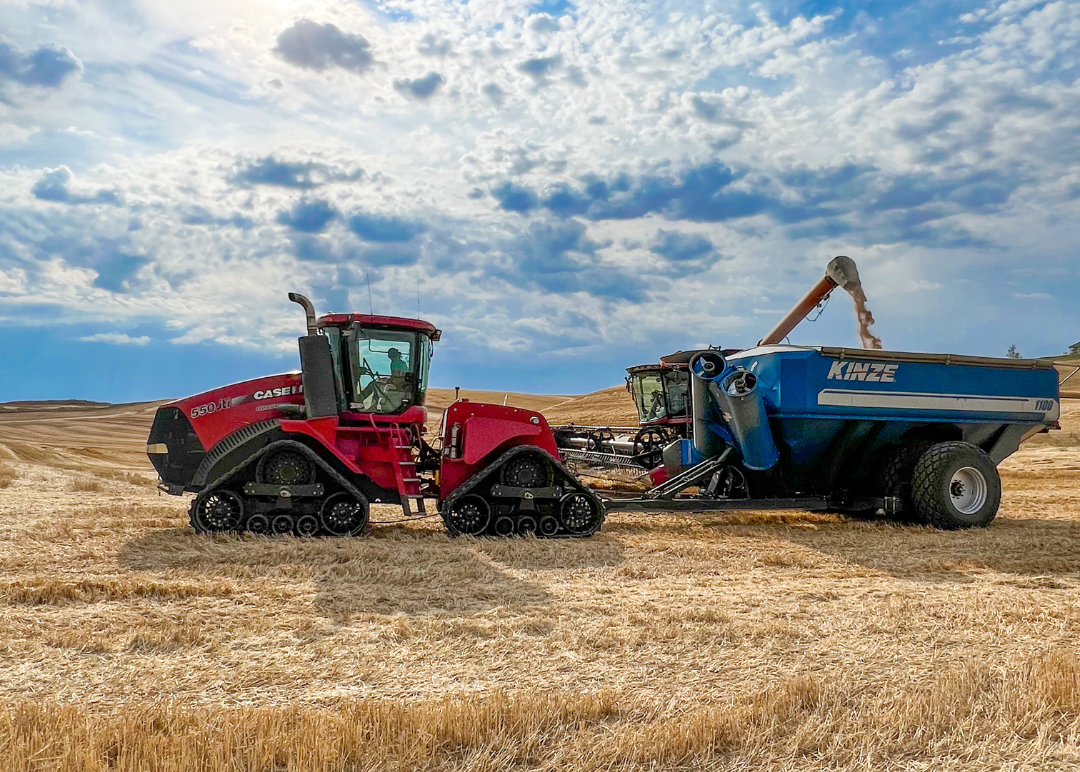
The mood here is optimistic. The tractors are out, the dust is flying, and the farmers of the Palouse are once again proving why this is one of the most productive agricultural regions in the world. Thank you in advance for your patience as large machinery on the highway periodically slows down traffic, and remember not to pass on the corners.
Cheers, friends. See you in the next one!
Read more
Spring has fully sprung in the Palouse! The days are longer, the sky is bluer, and the fields are waking up as the sunshine clears away all the cobwebs and mental cloudiness of winter. The hills ar...
If you walk out into the fields right now and take a deep breath, you can practically smell it: harvest is on the horizon. For anyone who makes a living from the dirt, this time of year is always a...



Leave a comment
All comments are moderated before being published.
This site is protected by hCaptcha and the hCaptcha Privacy Policy and Terms of Service apply.