
September Farm News, 2026
Here at Palouse Brand, harvest isn't just a busy time of year, it is the culmination (and hopefully celebration!) of 12 months of dedication, dynamic planning, and a deeply-rooted passion for growing high-quality food. This year has been equal parts more-than-perfect and frustratingly slow, serving as a daily reminder that farming requires careful assessment and limitless flexibility. As head honcho Kevin Mader often notes, navigating harvest means accepting that until the last truck empties its last load, the plan can still change. A good season is an ever-moving target, but one we love aiming for every single year.

Low and slow is the name of the game
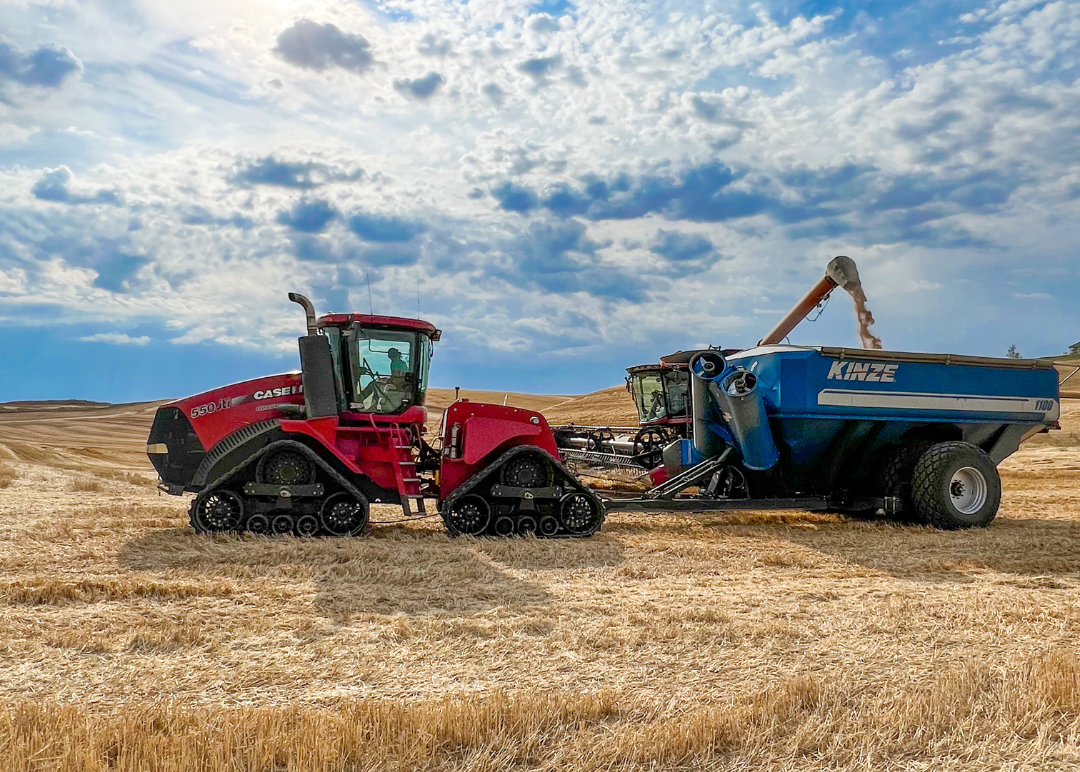
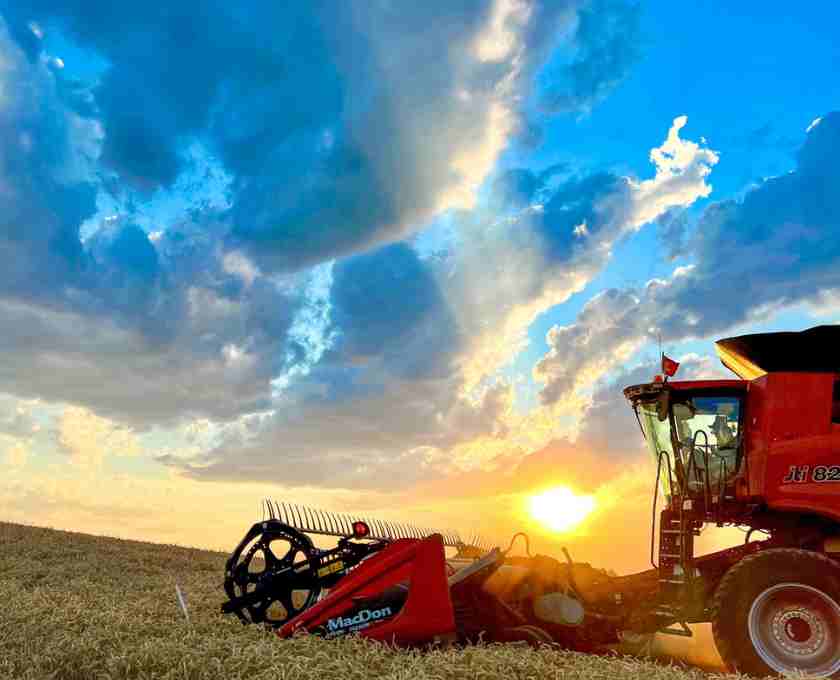
Wheat is always the first stop on the harvest train. It's the earliest crop we put in the ground and covers more than 70 percent of our acreage. When it comes time for the combines to do their thing, they cut as low to the ground as possible. This effectively "mows down" the wheat stalks enough that we can go right into planting without needing to come back and incorporate the stubble back into the soil. This is a key step in our practice of no-till cultivation, which preserves soil structure and health, as well as saving engine hours, operator time, and diesel dollars.
Cutting so low means that the combines are taking in much more chaff, and separating it out does slow them down quite a bit. It balances out in our overall rhythm, however: if the combines moved faster they'd fill up more quickly (especially when we're working with such a gorgeously heavy crop like we have this year), so they'd be sitting idle waiting for a grain cart to come by and 'wasting time' anyway. Easing back on the first step in the chain gives the bankout wagons time to circle back to fill up the trucks, and everything continues flowing efficiently.
Combines slow down for other reasons, too. Down wheat—patches that have bent or laid over—is usually the best-yielding, as it indicates stalks with such heavy heads of kernels that they couldn't stand straight in the face of wind or rain. Harvesting these spots means dropping the headers low and manually adjusting tilt, slowing down even more and listening closely to "the growl" of the combine to make sure the intake doesn't plug. All this requires intense vigilance and attention, but as Kevin says, "that’s okay, because it’s all about the bushels in the bin!"
Inside the cab, a built-in sensor emits a shrill warning sound once the grain tank reaches half full, which reminds the operator not to exceed a 20 percent slope due to the weight on the tires potentially affecting the machine's stability. Kevin says it's a very helpful feature "we pay absolutely no attention to," as navigating these iconic, rolling hills is unavoidable—and therefore second nature—around here. Every draw and ridge adds its own dash of personality to the job.

Racing the clouds
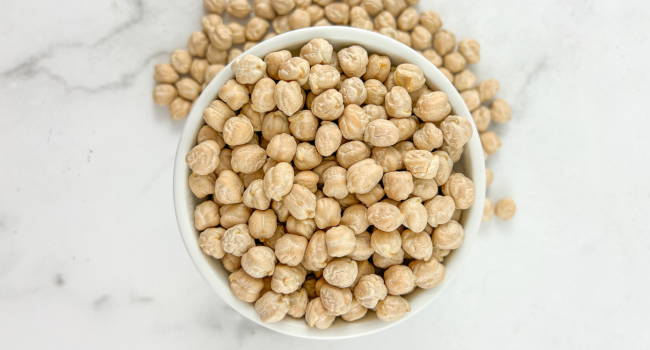
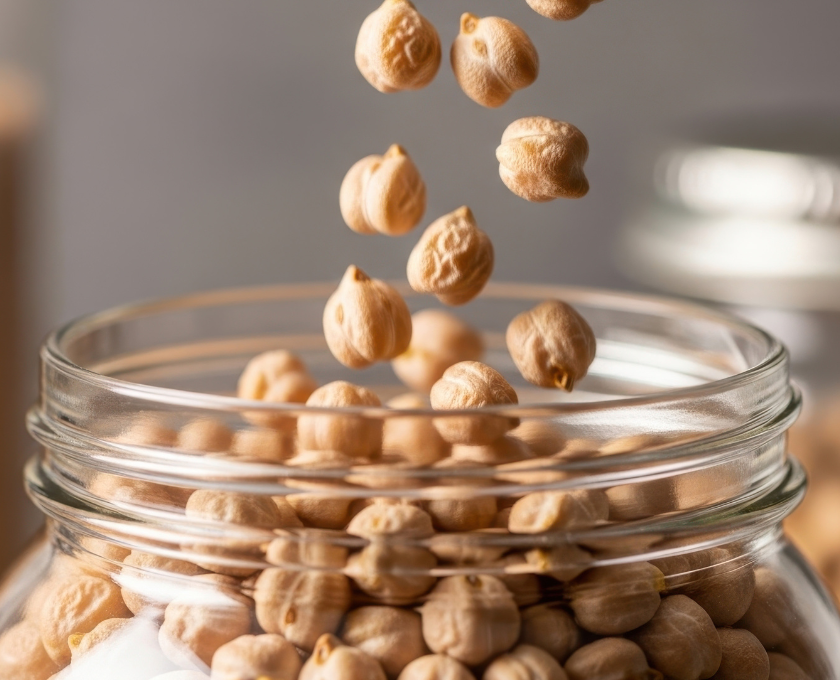
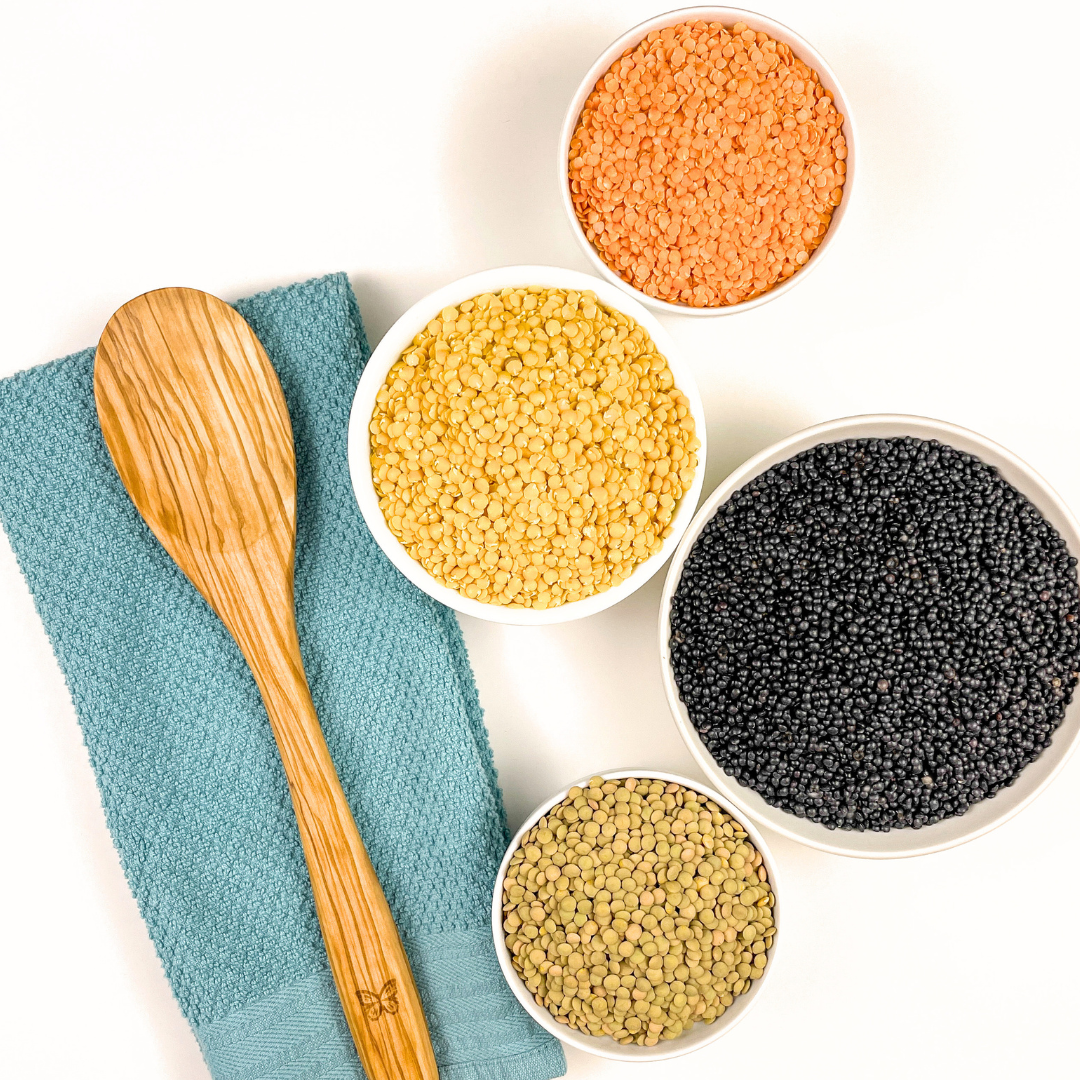
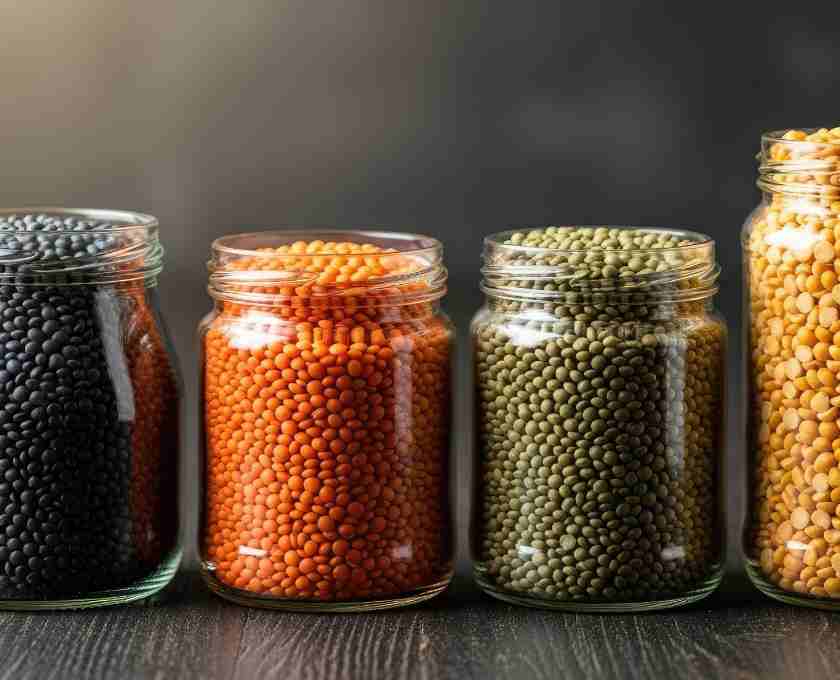
We have a few fields of wheat left to take care of before we turn to the lentils and garbanzo beans. Lentils are pretty low-key and not too fussy, but garb harvest is a sprint that demands perfect synchronization between weather, crew, and machinery. When we are lucky enough to enjoy ideal conditions, we can wrap up chickpeas in about four days, but nature (and personnel 😋) rarely delivers a stress-free week.
Kevin told me a story about the 2010 season that perfectly illustrates the high-stakes dance with the weather forecast. With 2,000 acres of garbanzos left to harvest on a Monday morning, the weather report predicted heavy rain arriving Wednesday night. The crew hit the fields running, starting at daybreak and working until 10:00 PM the first day, and pushing until midnight the next. Determined to bring in as much of the crop as they could, the machinery kept rolling all through Wednesday, with the operators spending as much time watching for rain as they did for rocks.
Kevin checked in at midnight to see if they wanted to call it. After three impossibly long days, it would certainly be understandable for them all to pack it in and go home feeling proud of what they had managed.
But one of the crew came over the radio and rallied them all: "I'm not leaving until we get rained out or we’re done!" Like an exhausted team looking at a few seconds left in overtime, they gave it everything they had. By 4:00 Thursday morning, the rain finally caught them and they were forced to leave 80 acres unharvested.
As soon as the weather calmed and it was safe to enter the fields without getting stuck in mud, the crew shifted to fall seeding. When the crop finally dried out, they were able to go back and cut that last chickpea ground. Once again farming teaches us one of life's best lessons: all you can do is your best while the skies are clear, and come back after the rain to carry on.

(Un?)Fortunately, there's nothing like it
You can scout fields all year long and watch weather forecasts like it's your job (it is), but as Kevin points out, you never get the full picture until you are actually sitting in the cab, seeing the crop feed into the header right in front of you. Every season brings unique challenges, from last-minute crew adjustments to unexpected elevator closures to managing rising fuel prices. And yet, the core motivation behind our work never shifts: farming as well as we can to bring the best products to you.
Growing food for our customers is like preparing a meal for someone you care about. Knowing that families rely on our grains and pulses for their dinner tables makes every slow pass across a steep hill worthwhile. As Kevin puts it, missing the mark on quality is "like overcooking a steak or undercooking chicken—what a bummer." We hold our crops to a high standard because not only is that the responsible thing to do but (here Kevin trails off and half-shakes his head) "I just love growing a product that people love. That's really all it is."

Looking ahead to the days ahead
As the days crisp up in Pullman, our team remains focused on wrapping up this season and preparing for the next. Farming on the Palouse is a constantly evolving puzzle shaped by soil, weather, and time, but it's a life we wouldn't trade.
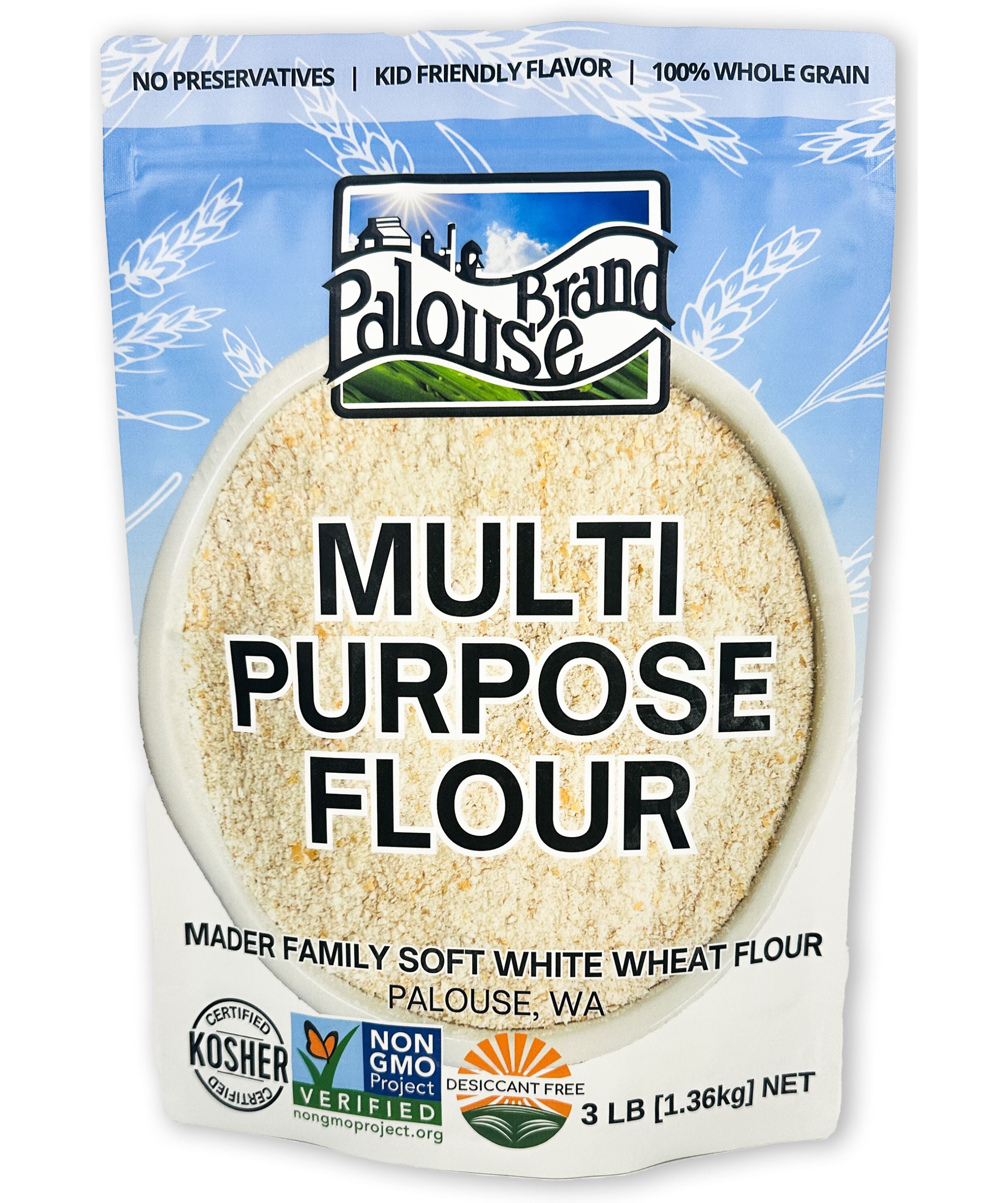
We are deeply grateful for your continued support of Palouse Brand. Whether you are baking cookies with our soft white wheat or making hummus from our chickpeas, know that every seed was raised with care on our family farm right here in eastern Washington.
Cheers, friends! See you in the next one.

Read more
If you’ve lived around the Palouse for even a single summer, you know the signs. The emerald rolling hills of June slowly cure into a bright amber by late July. The air dries out, the sky opens wid...
Harvest is over and the new crop has all been brought in safely; finally we're able to breathe easily knowing we successfully made it through another season! This must be when we get to relax a lit...


Leave a comment
All comments are moderated before being published.
This site is protected by hCaptcha and the hCaptcha Privacy Policy and Terms of Service apply.