



Sourdough Starter
There's something magical about the aroma of freshly baked sourdough bread, filling the air with its enticing fragrance. Behind this culinary marvel lies a humble yet crucial ingredient – the sourdough starter. If you've ever been intrigued by the idea of crafting your own sourdough bread from scratch, here we go!
What is a Sourdough Starter?
The sourdough starter is truly the secret ingredient that gives sourdough bread its distinctive taste and character. It's a simple combination of flour and water that captures wild yeast and beneficial bacteria, creating a living organism known as a 'starter culture.' This culture becomes the heart and soul of your sourdough baking journey, influencing the flavor, rise, and texture of the bread. Crafting your own sourdough bread from scratch starts with nurturing and maintaining a healthy sourdough starter.

Why Bother with a Sourdough Starter?
While the convenience of commercial yeast is undeniable, a sourdough starter adds a layer of complexity and depth to your bread that is unparalleled. The natural fermentation process not only imparts that signature tangy flavor but also offers a myriad of health benefits. Sourdough bread made from a well-maintained starter is easier to digest, boasts increased nutrient availability, and has a lower glycemic index compared to its commercial counterparts.
Now that we've piqued your interest, the journey begins with the creation of your very own sourdough starter. In the upcoming sections, we'll guide you through the step-by-step process. Follow along with our sourdough journey as we use our new starter in upcoming sourdough recipes!
Crafting Your Own Sourdough Starter: A Beginner's Guide
Palouse Brand
10 minutes
American
Bread
Congratulations! You are about to cultivate your own sourdough starter. This living culture will bring a unique character to your bread recipes. Stay tuned for upcoming posts where we explore troubleshooting tips, sourdough recipes, and more! Happy baking!
Ingredients
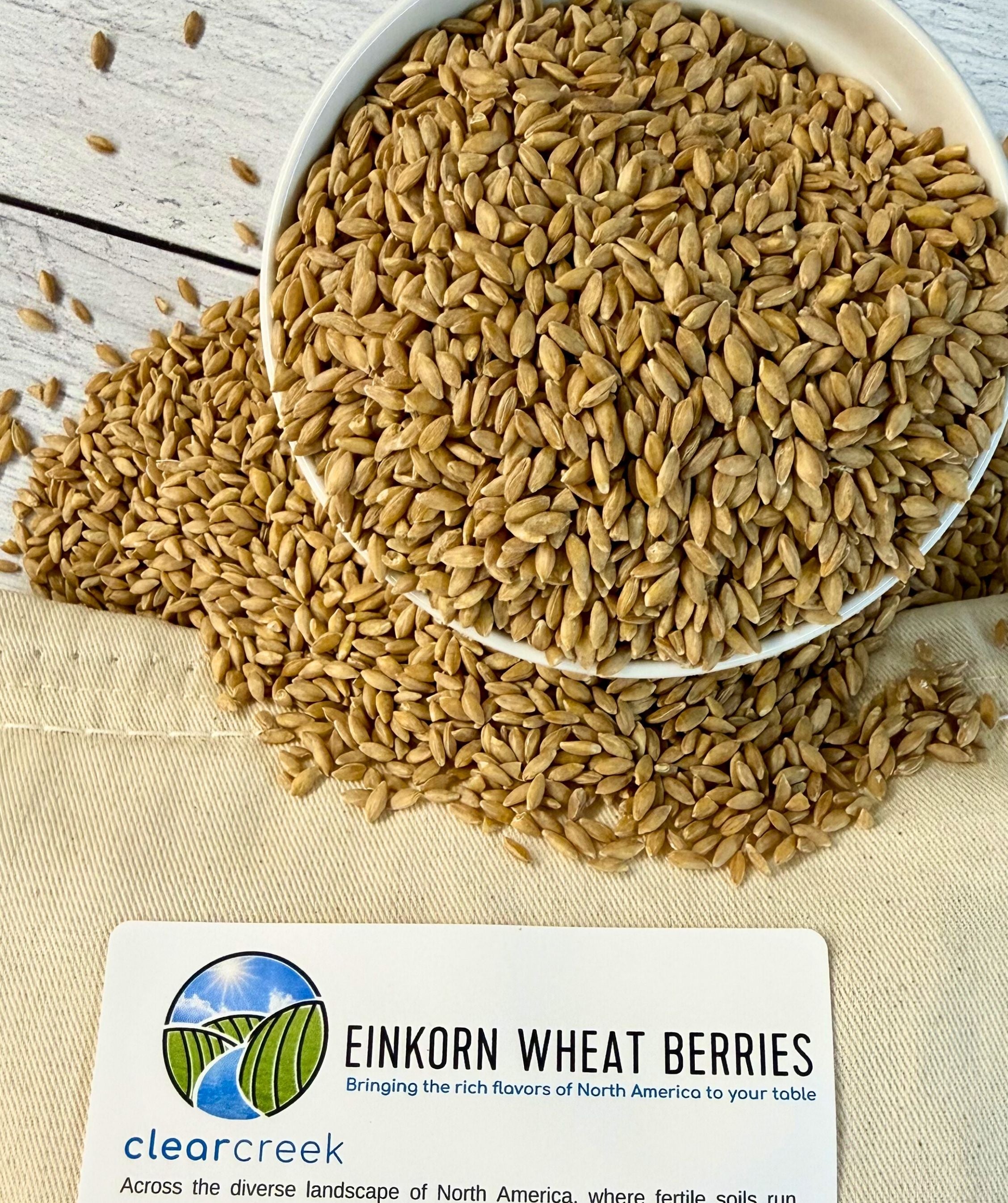
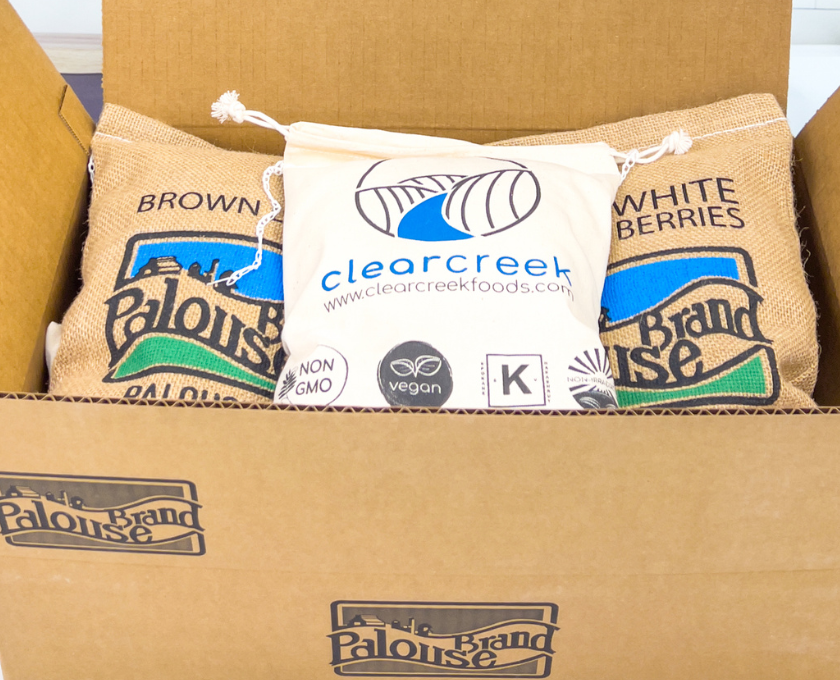
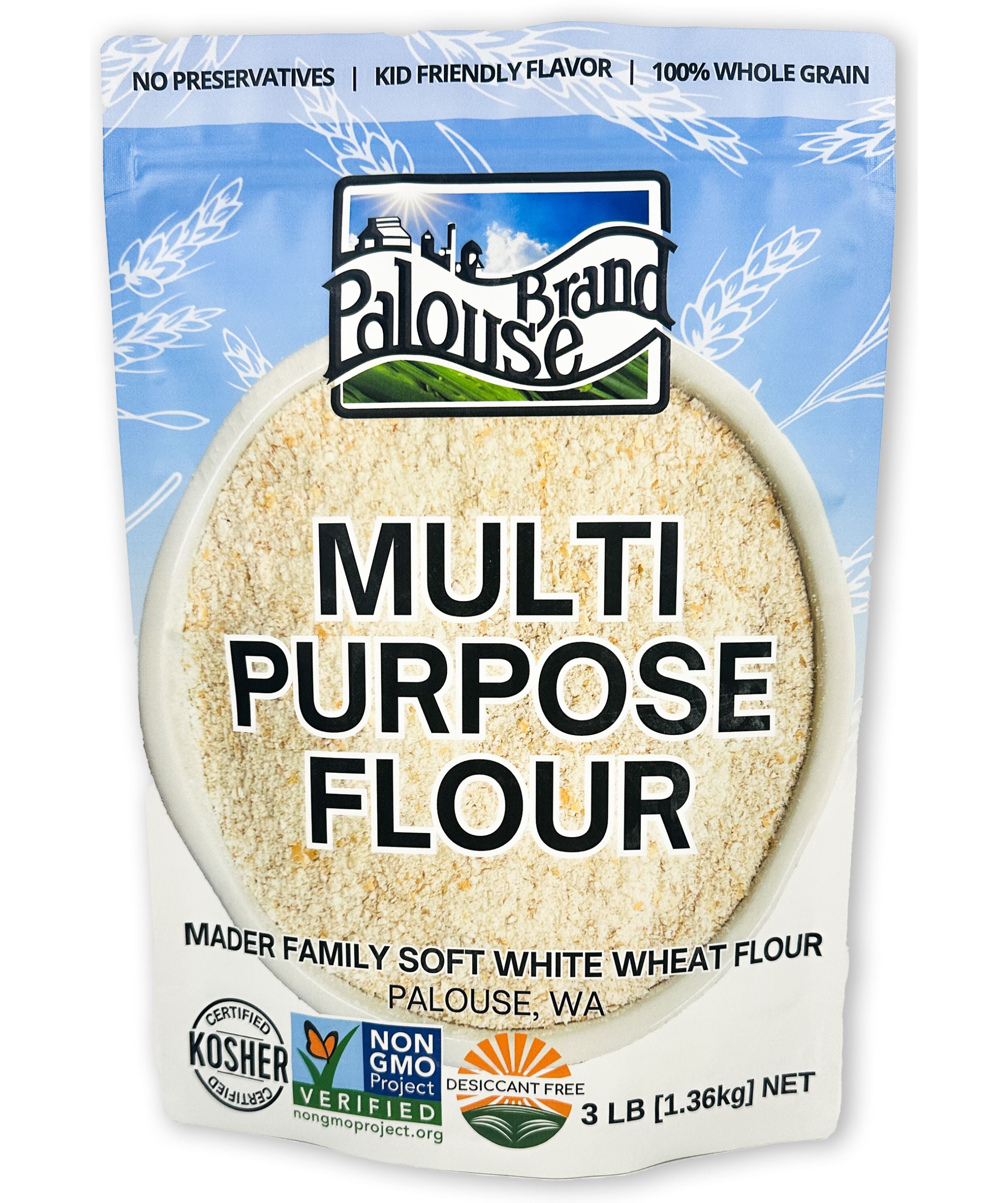
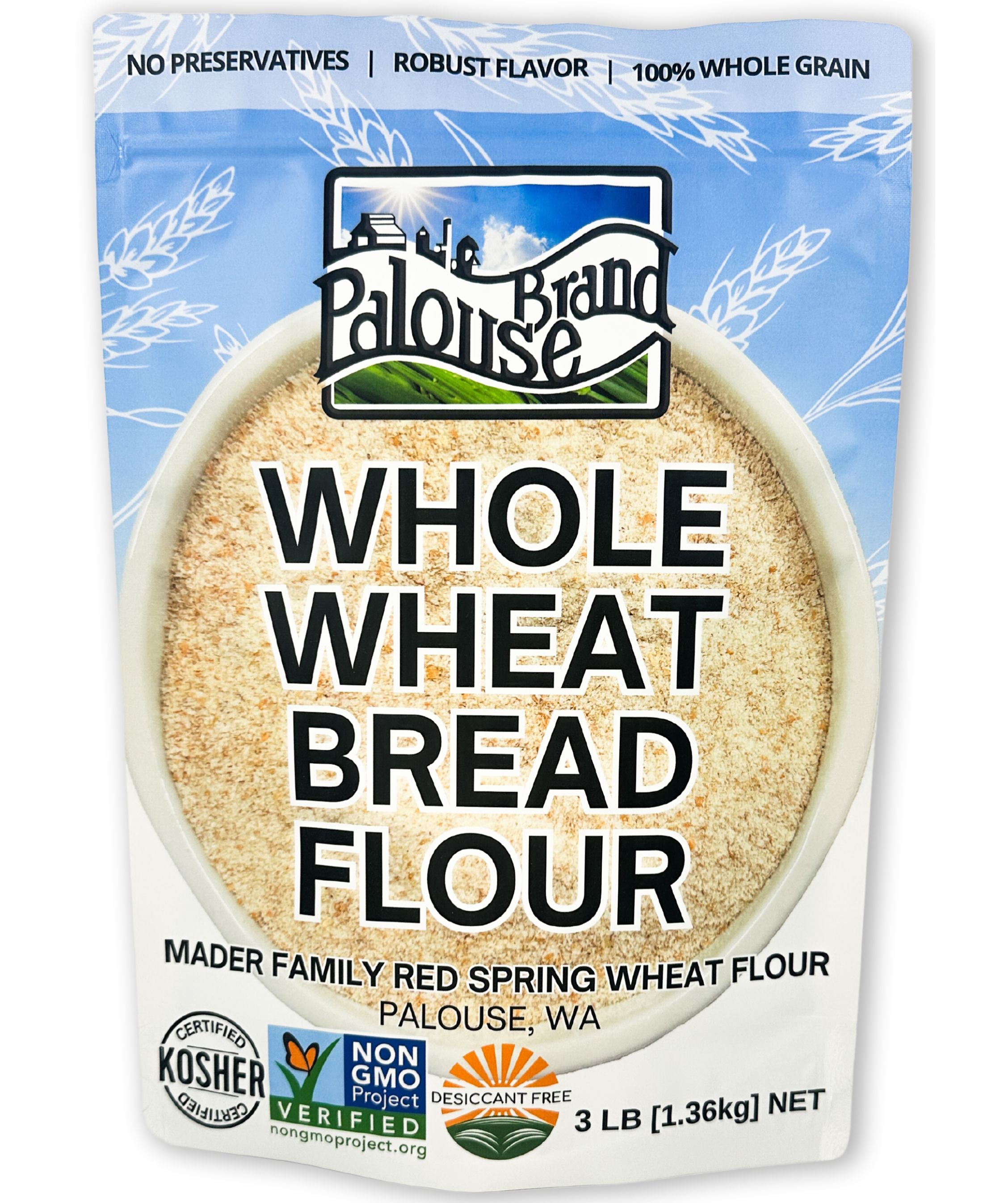
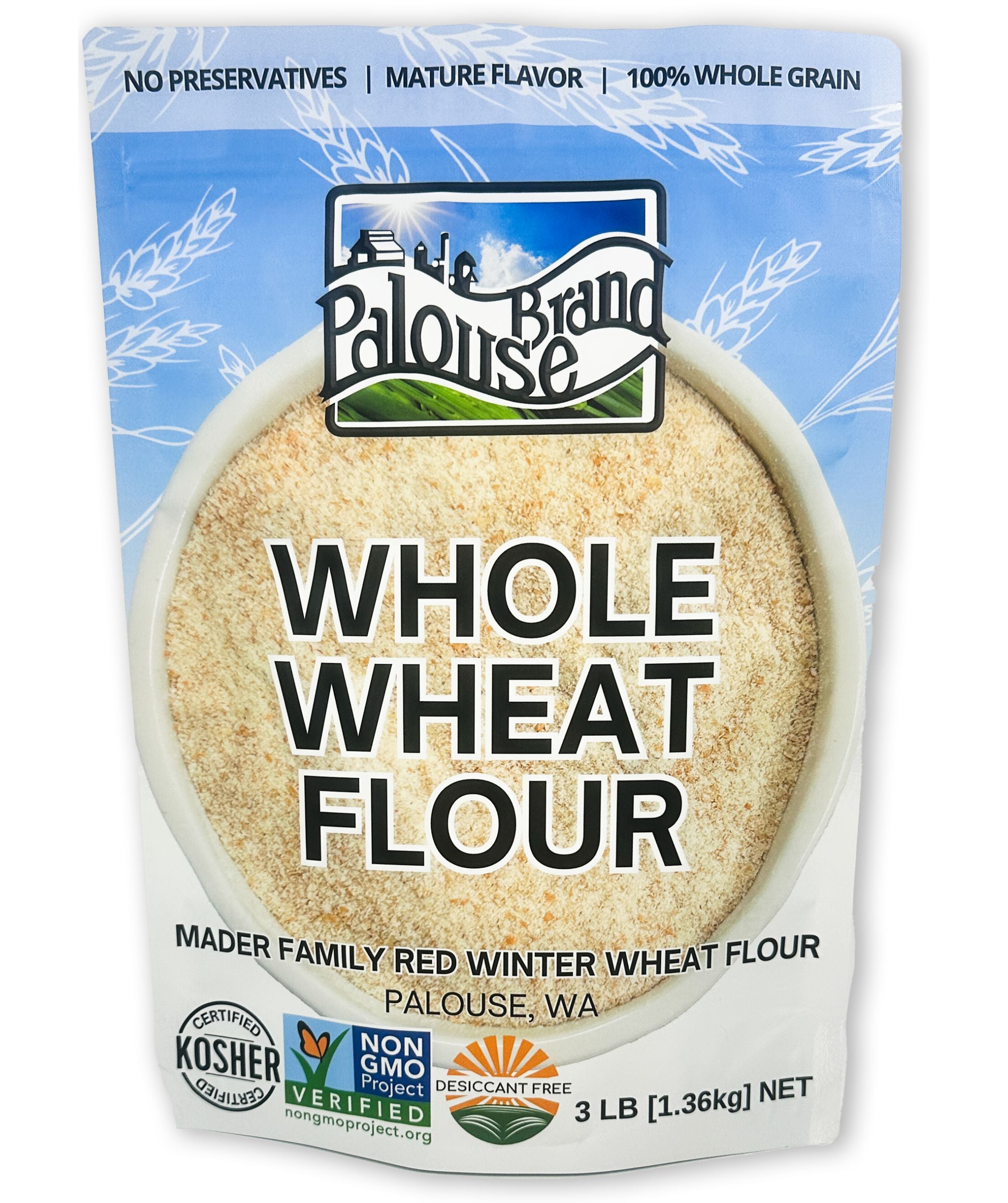
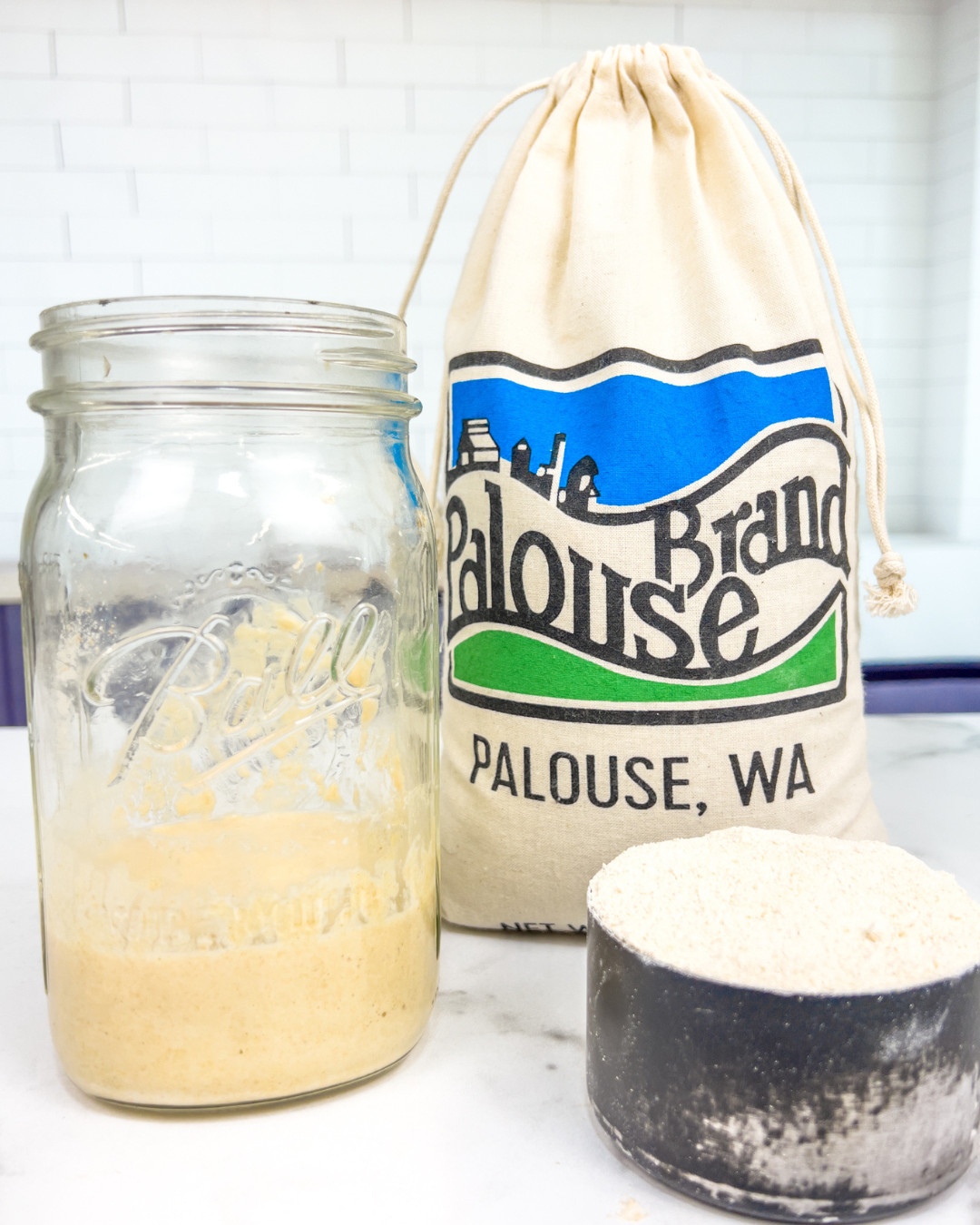
- 3 lbs Whole Wheat Bread Flour*
- Water
Directions
Step 1: Day 1 - Creating the Initial Mixture
In a clean glass or plastic container, mix 1/2 cup (60g) of flour with ½ cup (120ml) of water. Stir until you achieve a thick, paste-like consistency.
Cover the container loosely with a lid or cloth to allow airflow. Let it sit at room temperature (ideally around 70°F or 21°C) for 24 hours. (My house is colder so I store mine in the microwave.)
Step 2: Day 2 - The First Feeding
Check for any bubbles or slight expansion in the mixture. This indicates that wild yeast and bacteria are starting to colonize.
If you start to see a darker liquid this is called hooch. Just drain it off and remove any discolored starter. Hooch is a mix of water and the alcohol that formed during the fermentation process. Its presence doesn't mean that something bad happened to your starter, it just means that it's hungry.
Step 3: Days 3-7 - Daily Feedings
Discard half of the mixture and feed it daily with equal parts of flour and water. It should be the consistency of plain yogurt. Continue this process until you notice consistent bubbles, a tangy aroma, and a doubling in volume within 4-8 hours after feeding. Use a rubber band to mark your levels so you can see where the starter was after feeding and how much it grew and slid between feedings.
Step 4: Ready for Baking
Once your starter consistently doubles in volume and exhibits a vigorous rise, it's ready to use in sourdough recipes.
If you don't plan to bake daily, you can refrigerate your starter and feed it once a week. Bring it back to room temperature and feed it at least once before baking.
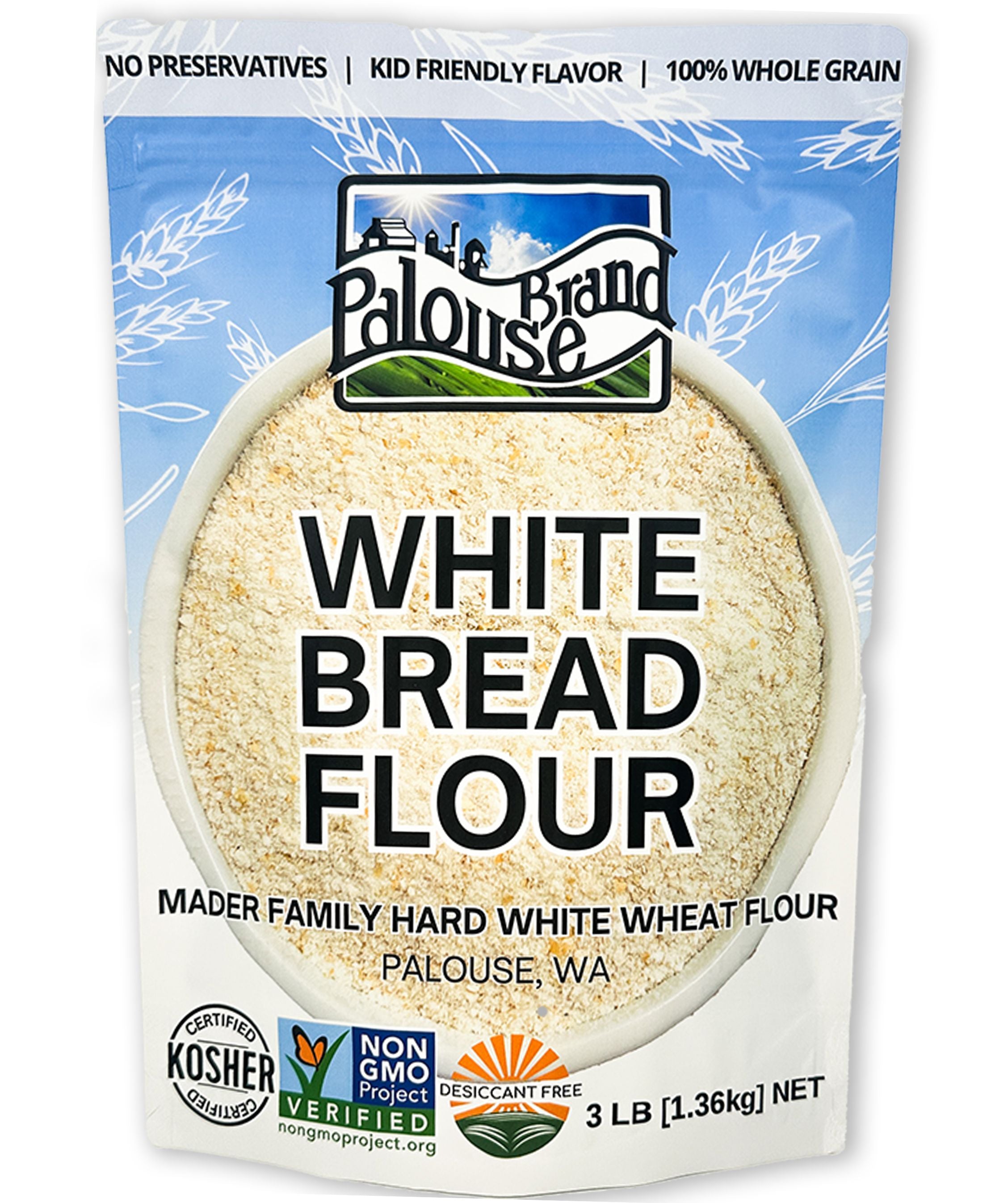
*Hard red spring wheat is great for sourdough really bringing a lot of flavor and color, for this series I am using hard white wheat as I am looking to make a kid friendly sourdough.
Read more
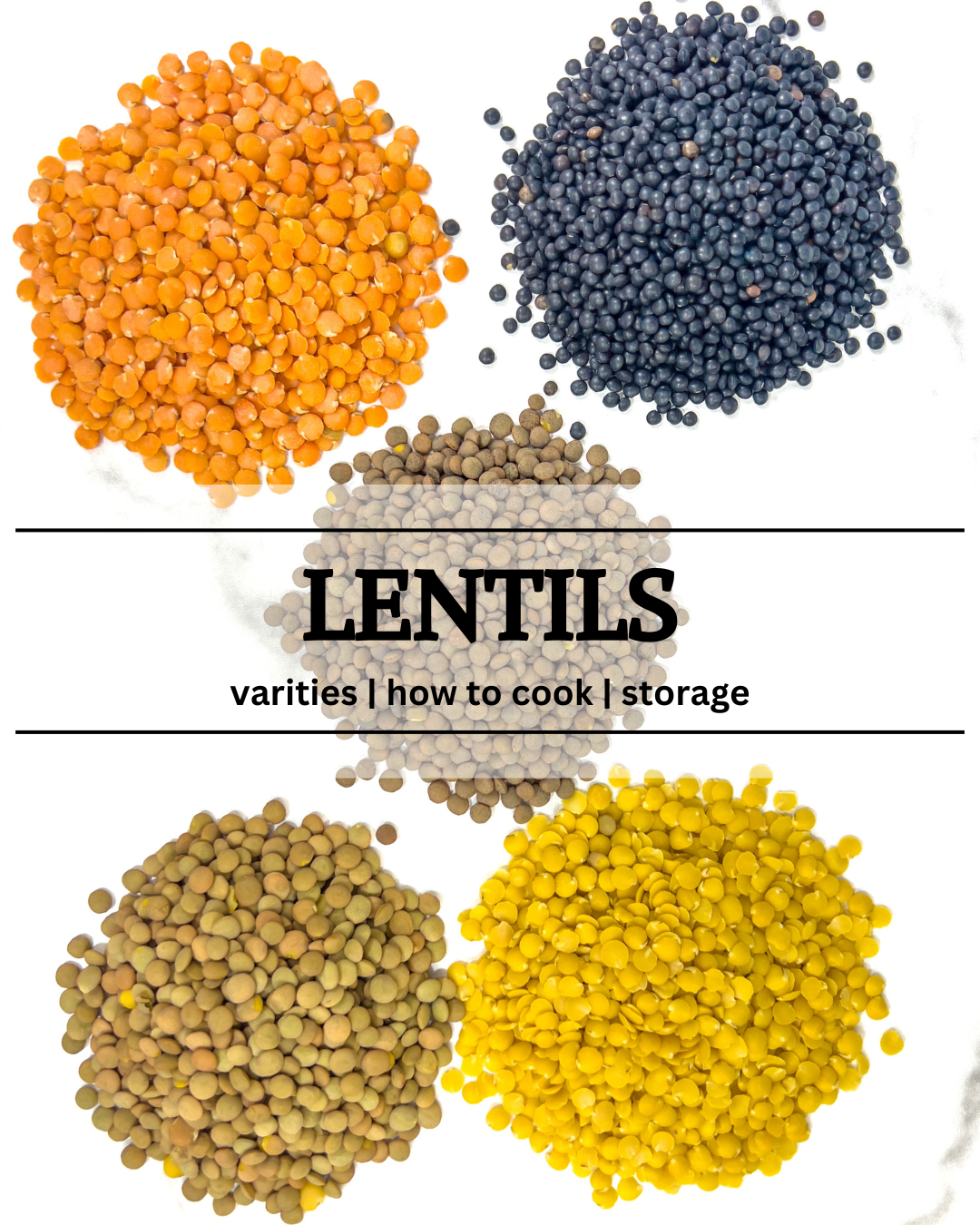
What are lentils? Lentils, a staple in many cuisines worldwide, are small, lens-shaped legumes packed with nutrition. These versatile pulses come in various colors, including green, brown, red, and...
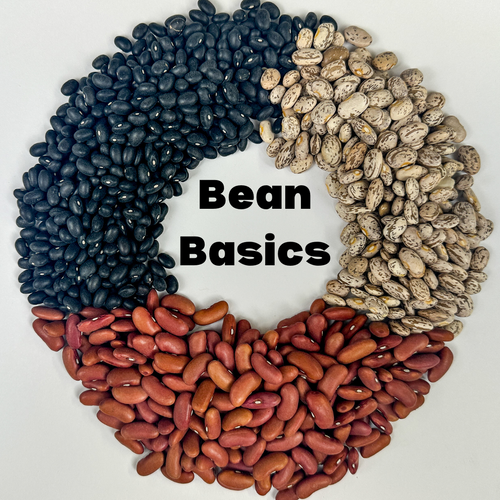
Dried beans are a simple, nutritious, and cost-effective way to feed your family. Packed with protein, fiber, and essential nutrients, they make a healthy addition to any meal. Once you switch to d...



13 comments
I am excited to learn about this starter. I am going to try for the first time this weekend. Wish me luck!
Tracey
I am so excited to see you making sourdough. I’ve always wanted to make it but didn’t know how. Now I can try. Your info is very helpful. Thank you
Yolanda
I started my starter with the hard red spring berries. Would I need to sift the flour?will the bran in the flour make it harder for the bread to get a good lift? If I need to sift how many sifts to get it to the light flour will I need to do?
I’m hoping to get a good sourdough recipe to use the wheat berries that I have bought from Palouse, I have the soft spring berries and the white you mention. Palouse chart stated the Red because of the protein content was best for sourdough. I appreciate your recipes and any suggestions.
Joyce
Will you be posting recipes along the way? I like the clear instructions for getting the starter going.
Cindy Green
How to you use the starter to make bread
william racine
Is your. Hard white wheat organic ? Wondering if it has been sprayed with anything
Donna
Wow, your basic framework is correct but so much will just cause frustration.
1) water: if you’re on municipal water it might be treated with chemicals for safety – that will impact your starter. Well water, distilled water, or leave water on counter for the ??? To evaporate out.
2) you’re mixing volume and weight together – always use weight:weight. Sourdough ain’t like tossing some commercial yeast into a bowl of flour – sourdough is easy but best done with consistency (AND, when you’ve caught the sourdough bug learning and using baker’s math is easier with weight and metric)
3) 60 grams water is ¼ cup, not ½ cup. A ½ cup whole grain flour is closer to 60g.
4) don’t pour off the “hootch.” Stir it back in – it won’t hurt a thing and it’s flavor. If something happens and your starter gets fuzzy, smelling bad (heady is good tho), or discolored – that’s when you start over.
Enjoy your sourdough journey. When you catch the bug you’ll be looking at what you can bake beyond just bread: sourdough discard pancakes, crackers, focaccia, ciabatta, cookies. Playing around with hydration percentages opens up a whole other world of (bread) baking – I like a 70-75% hydration dough for basic bread
Stephen R Miller
This is so awesome!
Betty
great idea! I’ve been wanting to learn how to make sourdough starter… looking forward to learning with you.
evvy
Hi. I think it’s great you’re doing a sourdough beginner series. I’ve made sourdough for a couple of years now, but I am most interested in how I would use your specific varieties of flour, or even how I could mill my own batches of flour using your grains and my vitamix, into my process. Just another idea for your series. Good stuff! Thanks! -Cori
Cori
Hi. I think it’s great you’re doing a sourdough beginner series. I’ve made sourdough for a couple of years now, but I am most interested in how I would use your specific varieties of flour, or even how I could mill my own batches of flour using your grains and my vitamix, into my process. Just another idea for your series. Good stuff! Thanks! -Cori
Cori
Every starter recipe I have seen or used is 100% hydration. It appears you are talking 200%, which I would think is too loose. Are your quantities correct?
David Hess
This is great… I’m in!
Chris b
Leave a comment
All comments are moderated before being published.
This site is protected by hCaptcha and the hCaptcha Privacy Policy and Terms of Service apply.